By Grace Alone
Rather than spend lockdown learning to bake bread or doing yoga, Neal Morse made a concept album. Inspired by the life of St Paul the Apostle, Morse composed Sola Gratia - by grace alone. He tells Prog about working remotely, trusting his instincts, and being a man without a musical country.
Words: David West Portrait: Jim Arbogast
It’s tempting to look for parallels between the Biblical conversion of St Paul the Apostle on the road to Damascus and Neal Morse’s decision, two decades ago, to leave Spock’s Beard in the wake of his own spiritual awakening. Beginning with 2003’s Testimony, Morse has used his music as a vehicle to express his faith and with Sola Gratia he turns his attention to the story of Paul.
For anyone who’s a little rusty on their Bible scripture, Paul was a Pharisee who persecuted the early Christians until he experienced a vision, after which he devoted his life to spreading the new faith. He’s a key figure in the New Testament, in which 14 of the 27 books are attributed to Paul.
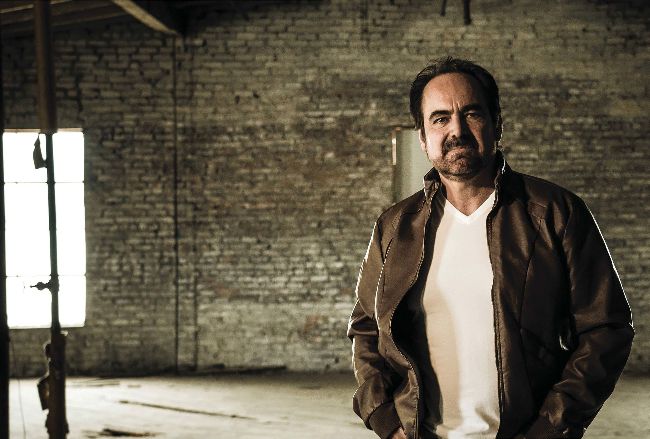
Grace notes: the gospel according to Neal Morse.
“Music always should be a surprise. We should be moved and thrilled as we’re working on it. Often it can become like a job; [if] we do it too often and too long we can lose the wonder, so I try to hold onto that.”
In keeping with Morse’s previous concept albums, such as Jesus Christ: The Exorcist and The Similitude Of A Dream, his message may be spiritual yet the delivery is unmistakeably prog. The kernel of the concept arrived while Morse was on vacation in February, before he came home to write and record the music while in lockdown through March and April.
“There was a whole month where my wife and I didn’t leave the house, ever,” he says. “It’s been weird, but I feel like the Lord has helped us to make some lemonade out of these lemons.”