All The Rage
Forty-one years ago, Ultravox entered Conny Plank’s studio in West Germany to record the follow-up to the hugely successful Vienna. They had no songs and no ideas, but over the course of several months, the experimental Rage In Eden began to take shape. Midge Ure, Billy Currie and Warren Cann reminisce over the creation of an album that not only reached the UK Top 5 but also earned them comparisons to Genesis!
Words: Jeremy Allen Images: Brian Aris and Trevor Keys
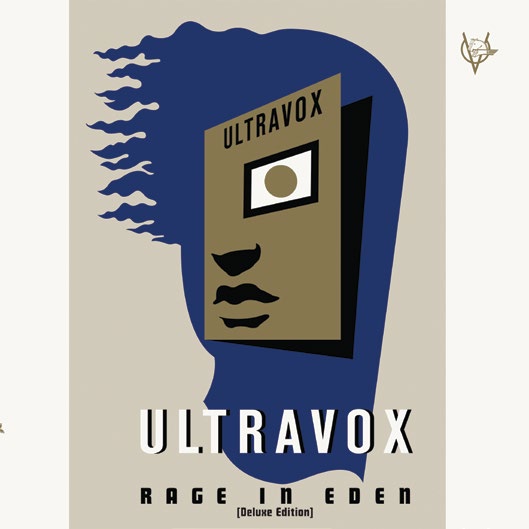
The new, deluxe edi tion of Rage In Eden.
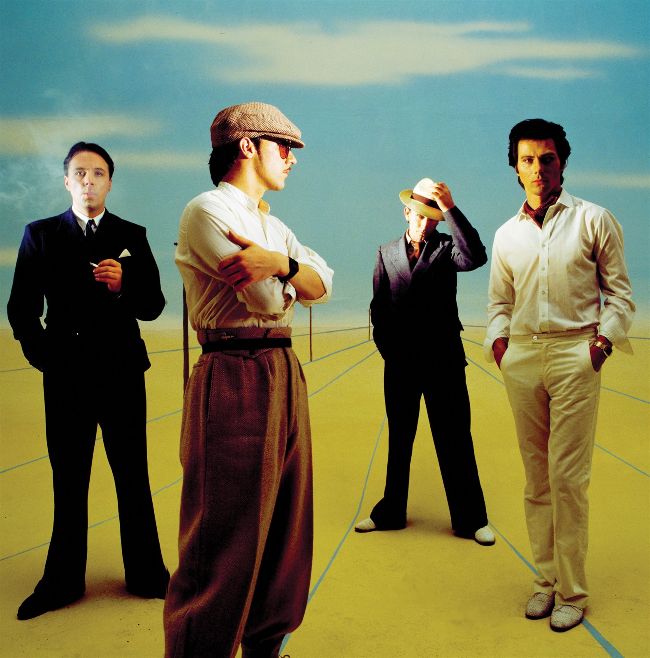
Ultravox sought out strange new horizons.
The song Vienna might have been held off the No.1 spot by a novelty song about a rebellious Italian boy, but its huge success gave Ultravox carte blanche to experiment for as long as it took with a bearlike German. Conny Plank, the éminence grise of krautrock, was rehired to oversee Ultravox’s fifth studio album, and this time it would take more than three months to come to fruition at his converted pig farm in Wolperath, near Cologne. The band went into the studio with nothing, and opened themselves up to the whims of inspiration. The result of that gamble was 1981’s Rage In Eden and, for Ultravox fans (of the new testament variety), it’s the pinnacle of the band’s creativity. Furthermore, it’s a cornerstone of progressive pop, and became the inspiration for some of the more thoughtful art-pop made during the early to mid-80s.
“Weirdly, you’ve just done the impossible,” says Midge Ure, calling from his Portuguese bolthole. “You’ve had me listening to one of my old albums.” And how does it bear up 41 years later? “You tend to analyse anything that’s old rather than listen to it for enjoyment,” he says, “but at times, I’m thinking, ‘Well, that was actually quite good!’ We had all the sounds woven between each other at the end of various tunes. And it was a bit adventurous to do something like that straight after the success of something like Vienna.”