GB
  
You are currently viewing the United Kingdom version of the site.
Would you like to switch to your local site?
6 MIN READ TIME

GOING UNDERGROUND

The hidden world under London revealed thanks to the London Transport Museum

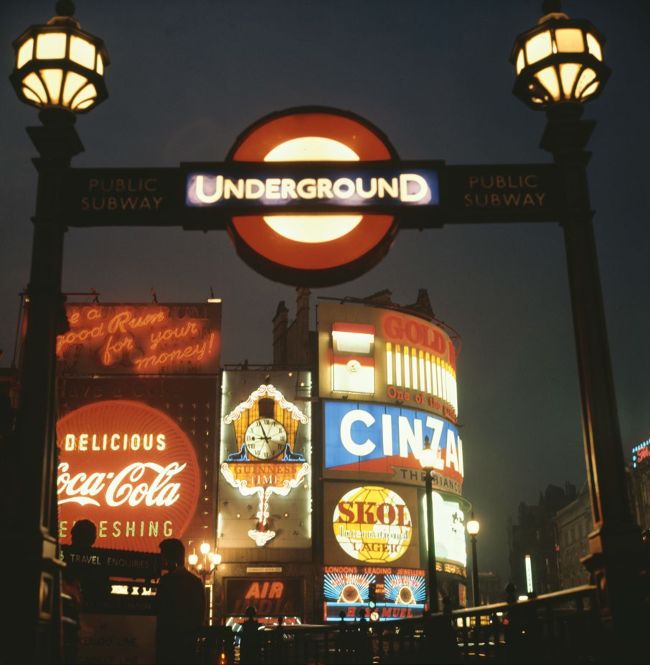
A station entrance as it looked in 1965

BENEATH THE BRIGHT LIGHTS

PICCADILLY CIRCUS 1906 – PRESENT

As the station for one of the most visited landmarks in London, Piccadilly Circus is a major hub for the Underground network. It averaged around 40 million passengers annually in the years prior to the COVID pandemic. During WWII its disused tunnels acted as a shelter not only to the public, but to art from the London Museum and Tate Gallery. Modernised in the 1920s, the station has been opened up in unique ways to visitors who can see some of the Grade II listed building’s secret doors, passages and original features. The entire story of London’s Underground and how it has developed over the years can be found here.
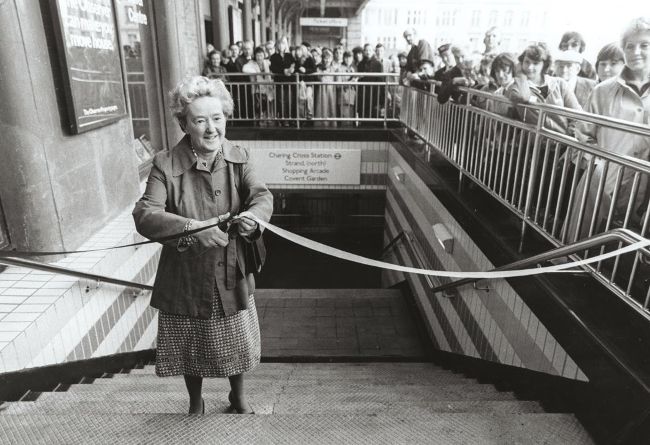
Planning committee leader Shelagh Roberts of the Greater London Council opens Charing Cross Underground station in 1979
All images: © TfL, © Getty Images

UNDER TRAFALGAR SQUARE

CHARING CROSS STATION 1864 – PRESENT

Charing Cross station started its life serving London commuters in 1864 as a railway station before becoming an early stop for the District Line as it emerged from 1870. However, the station as we know it today has gone through a lot of changes, not least of which is its name. The London Underground portions of the station were originally Trafalgar Square, named after the famous public space above, which opened in 1906 and Strand, which opened in 1907. These merged as Charing Cross, but also broke off as Embankment. However, the historically interesting bit is at Charing Cross where you could once have boarded the Jubilee Line.

Unlock this article and much more with
You can enjoy:
Enjoy this edition in full
Instant access to 600+ titles
Thousands of back issues
No contract or commitment
Try for 99p
SUBSCRIBE NOW
30 day trial, then just £9.99 / month. Cancel anytime. New subscribers only.


Learn more
Pocketmags Plus
Pocketmags Plus

This article is from...


View Issues
All About History
Issue 132
VIEW IN STORE

Other Articles in this Issue


All About History
Welcome
Tesla examining machine parts in front of sketches
REGULARS
Defining Moments
© Getty Images 22 July 2013 PRINCE GEORGE
BATTLE OF SOMOSIERRA
SOMOSIERRA PASS, SEGOVIA, SPAIN , 30 NOVEMBER 1808
GUTENBERG’S PRINTING PRESS DID NOT SUCCEED?
How reform could have been stifled and the empowerment of literacy controlled by the elites of Church and State
CELEBRATING THE NHS
A new book commemorates 75 years of the National Health Service in Britain 
REVIEWS
THE GALLOWS POLE
Hitler’s Elite
Out now!
RECOMMENDS… Bismarck’s War
Out now!
HISTORY VS HOLLYWOOD
THE TRIALS OF OSCAR WILDE
SHELL BREAD
SWEET SHELL-SHAPED CAKES, ENGLAND, 1617 -PRESENT
ALL ABOUT…
Key Events
1603 ASCENSION OF JAMES I James I, the
ST PAUL’S CATHEDRAL
London, UK 1675 - present
ROUNDHEAD CAVALRYMAN
England 1642-1651
COFFEE POT
During the reign of the Stuarts, coffee became a popular beverage of high society Britain, 1702
GREAT MINDS OF THE STUART ERA
Too often ignored in favour of their Tudor cousins, the Stuarts are the real forefathers of the modern world!
BRITAIN IN TURMOIL
Dr Clare Jackson discusses why Britain was viewed as a ‘failed state’ during the Stuart period of instability
STUART HOUSES AND ARCHITECTURE
Discover the centuries of fascinating history behind these beautiful Stuart buildings
FEATURES
TESLA
The tormented genius who electrified the scientific world
THE FORGOTTEN EMPIRE
Mark Healy reveals why the Assyrian Empire was a power to be reckoned with
The Soong Sisters
How three women’s influence went on to change the course of Chinese history
SECRET SOCIETIES
Are there secretive groups of people lurking in the shadows who have changed the course of history?
GALILEO vs The Inquisition
How the revered astronomer went head to head with the might of the Catholic Church
Chat
X
Pocketmags Support