PUPPET MASTER
THE GERRY ANDERSON STORY
AS THUNDERBIRDS CELEBRATES ITS 60TH ANNIVERSARY, WE EXPLORE THE LIFE OF THE MAN WHO BROUGHT MARIONETTES TO THE MAINSTREAM
Written by Callum McKelvie
The plane descends. The Fireflash – an atomic-powered hypersonic aircraft. If it lands, it will detonate a bomb onboard. If it doesn’t, then the passengers will die from radiation poisoning. But there is hope. International Rescue are on their way in their special rocket vehicles – the Thunderbirds. To the generations of children who watched that first episode, it didn’t matter that their heroes were not in fact actors but puppets. Now celebrating its 60th anniversary, Thunderbirds was just one of a number shows produced by the legendary Gerry Anderson that utilised a unique style of puppetry, nicknamed Supermarionation.
From the underwater escapades of Stingray to the intergalactic war of Captain Scarlet, chances are if you saw these programmes during their original broadcast, then you have fond memories of these action-packed series. And yet, for all his success, Anderson longed to leave the world of marionettes behind for the glamour of live-action productions. But just how did a young film editor become one of the defining voices of 20th children’s television? It’s a tale far stranger than any mission undertaken by Joe 90…
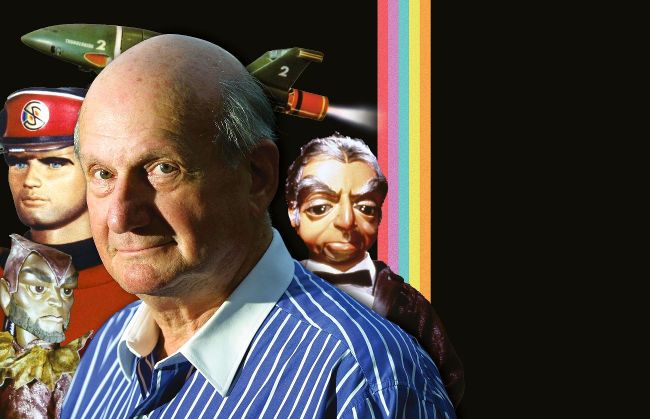
All images: © Alamy, © Getty Images, © Shutterstock
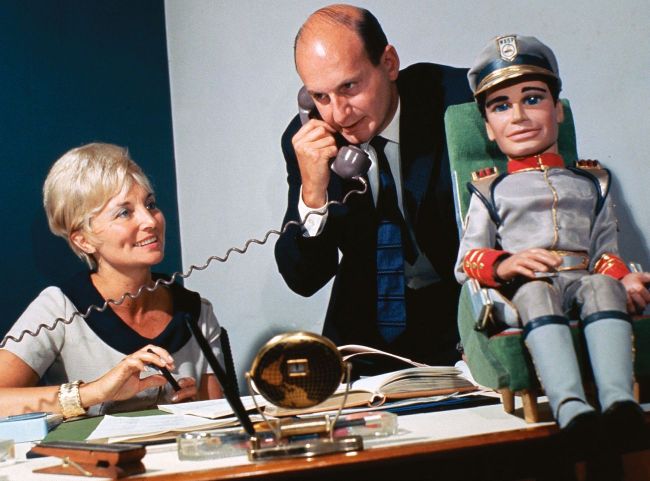
RIGHT Gerry and Sylvia Anderson alongside some of the ‘cast’ of Stingray. Sylvia co-created many of the iconic series alongside her husband
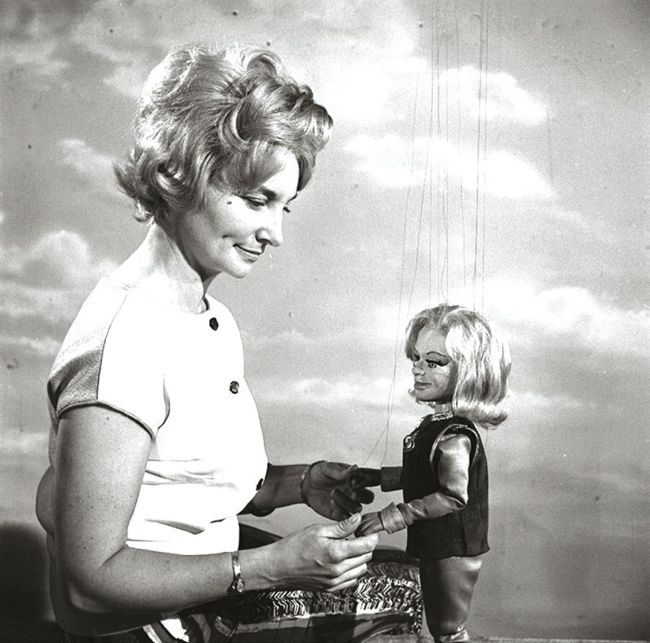
TOP-INSET Sylvia Anderson’s legacy has been largely overlooked
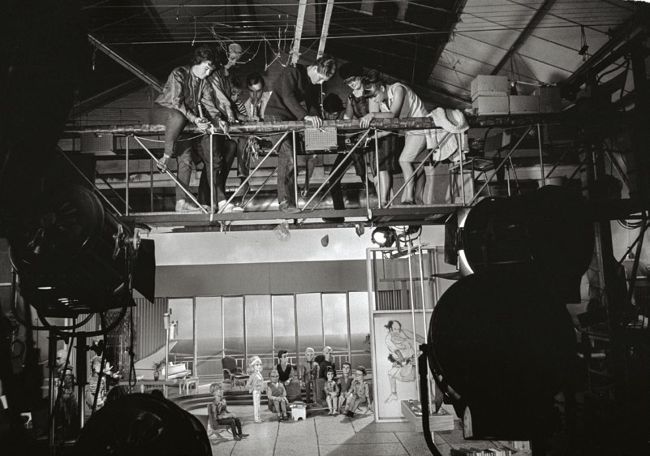
MIDDLE-INSET
Thunderbirds pioneered an advanced puppetry technique known as Supermarionation
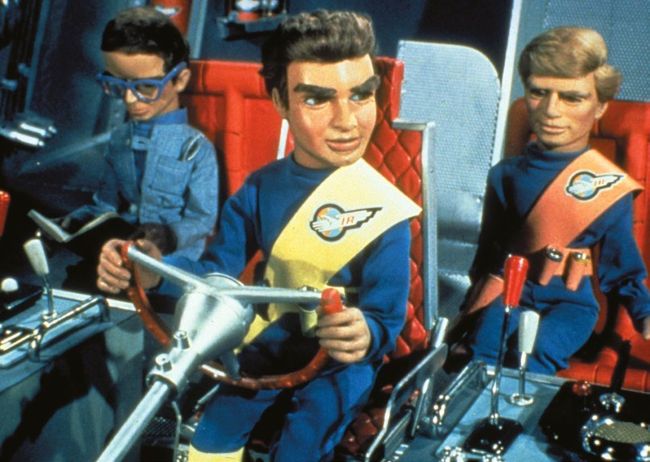
BOTTOM-INSET The inclusion of lip-sync technology in the puppets’ craniums led to the enlarged heads, now so familiar
STANDBY FOR ACTION
Anderson was born in the Bloomsbury area of London in 1929. Ten years later, he became one of the many children evacuated from the capital when war was declared between Britain and Germany. But the conflict was to have a far more devastating effect on the young boy’s life. His older brother Lionel Anderson, a flight sergeant in the RAF, was killed on 27 April 1944, only 13 days after Gerry’s 14th birthday. Before his tragic death, Lionel delighted his brother with tales of his daring exploits, including stories of a brief role in a 1942 propaganda film. Its name? The Thunder Birds.