PLAN “B” COULD BE FOR BEACH
WHY YOUR CHANCES MAY BE BETTER NEAR THE OCEAN THAN IN THE HILLS
BY BRIAN M. MORRIS
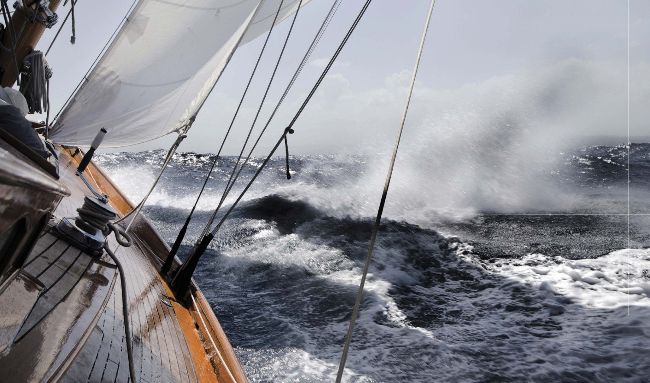
© GETTY IMAGES
As preppers, when considering a scenario where all hell has broken loose and life at home as we have known it is over, we all have some sort of plan to bug out to a safer location. This is one of the fundamental tenets of anyone who considers themselves to be a prepper. If you really think about it, the spectrum of types of preppers is small unless you are looking at it from the perspective of “why” they are prepping.
Other than the threats being prepared for, preppers have far more in common than not. The fact is, the “why” really isn’t very important in the large view. Sure, if the scenario involves things such as nuclear radiation or war, for example, there will be certain special precautions and limitations involved but, at the end of the day, the desire and ability to survive are the only things that really matter. We all want to live to see another day. Some preppers are already homesteaders, and if the SHTF they plan to just go on living and being as close to being self-reliant as they can while others realize they will need to eventually uproot and move in order to save themselves and their loved ones. The more-prepared folks in this group have already designated a location to bug out to in the event that they can no longer remain in their primary location safely.
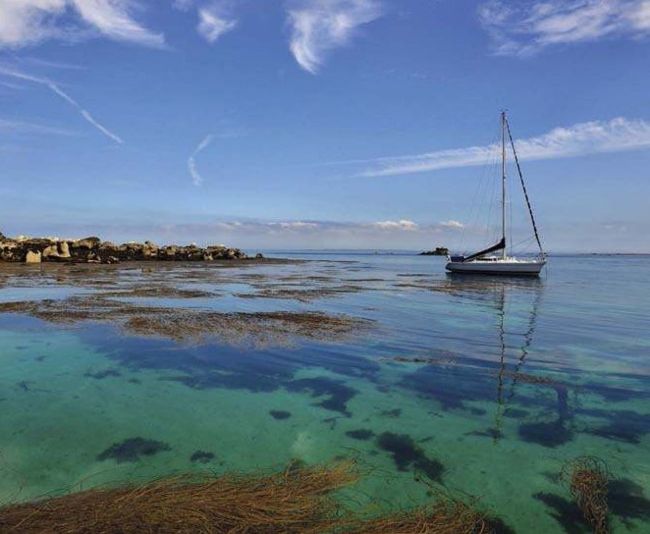
© GETTY IMAGES
“WITH ALMOST HALF OF THE STATES IN THE U.S. BORDERING THE ARCTIC, ATLANTIC AND PACIFIC OCEANS AND THE GULF OF MEXICO, BUGGING OUT TO ONE OF AMERICA’S COASTAL REGIONS, BEFORE BAD SITUATIONS SERIOUSLY IMPEDE TRAVEL, IS NEVER MORE THAN A FEW DAYS’ DRIVE.”
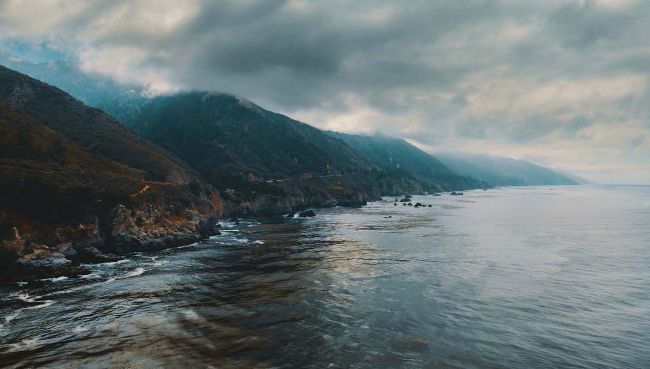
The National Oceanic and Atmospheric Administration (NOAA) cites the official value for the total length of the U.S. shoreline at 95,471 miles.