A BRUTAL Movement
A look at the masters of this polarizing art form and the iconic buildings created then and now.
By Jickie Torres
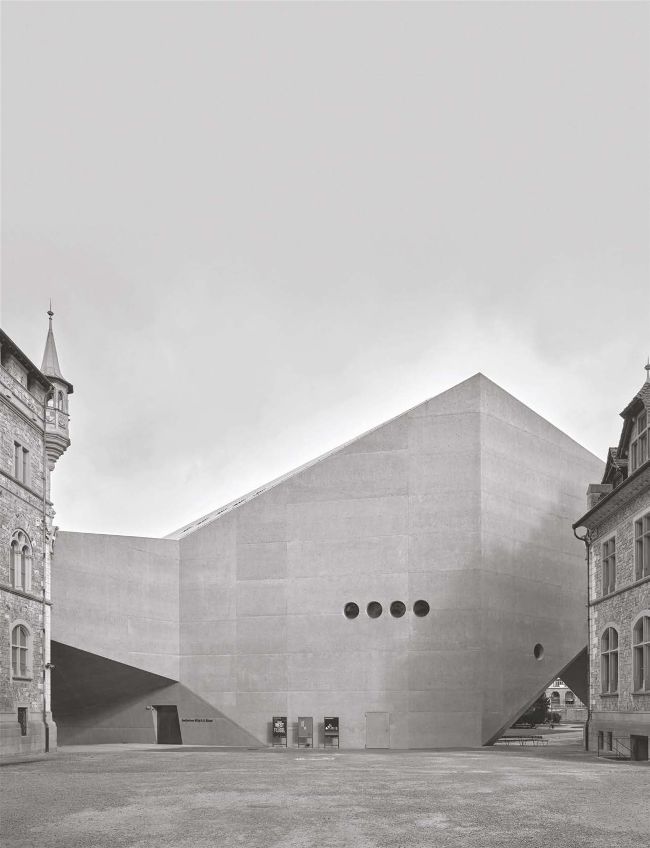
EMANUEL CHRIST & CHRISTOPH GANTENBEIN. SWISS NATIONAL MUSEUM EXTENSION, ZÜRICH, SWITZERLAND.
2016. Picture credit: Maykova Galina / Shutterstock.
HARSH.
CONFRONTATIONAL.
UNMISTAKABLE. The tenets of the brutalism movement (derived from the French béton brut, or raw concrete) often turn our expected norms of style and design on their heads. According to mid-century-era architecture critic Reyner Banham, brutalist buildings should be memorable as a standalone image, exhibit a clear and distinct structure, and appear to utilize materials “as found.” In practice, this translates to buildings that roar out of their settings with defiant geometry, usually made of unpainted brick or concrete, boasting a dull, monochromatic palette. Like the modernist movement, brutalism is said to be an antiphon to the nostalgic age of design from the 1930s and ’40s, however brutalism did so with an almost contempt for sentimental emotion. Thus, these buildings elicit a strong response from most viewers: you either love them or hate them.