FIT FOR PURPOSE
How fit do you need to be to drive a Formula 1 car? Marathon man JAMES ATTWOOD goes up against Alpine F1’s Paul Aron
Paul Aron finished third in the 2024 F2 championship, behind now F1 racers Gabriel Bortoleto and Isack Hadjar.
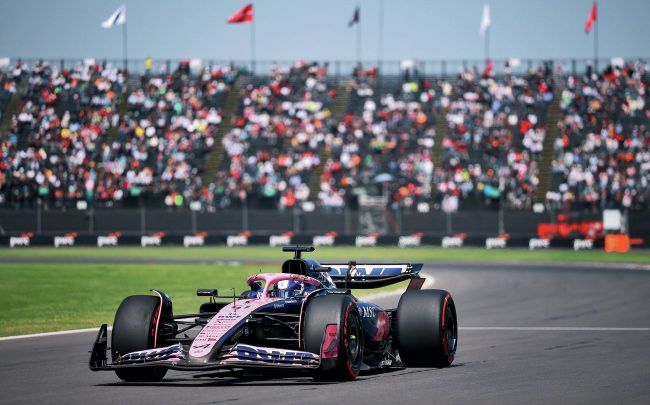
Alpine reserve Aron drove for the team in free practice in Mexico
It’s not long after Paul Aron, Alpine’s Formula 1 reserve driver, arrives in the gym at the team’s Enstone factory that I realise I’m in trouble. “What’s the record?” he asks as the first exercise is explained to us. Turns out Aron is 21, ultra-fit and hugely competitive. Of course he is: he’s a racing driver. Racing drivers are competitive at everything, even when taking on a random car journalist in a fitness challenge. Win? I just want to survive.
With hindsight, this was never going to end well. The basic idea was that both racing drivers and car journalists drive cars for a living – and some people insist that you don’t have to be very fit to drive a car. So we wanted to find out how important fitness really is in F1. After all, teams now employ ranks of trainers, sports scientists and nutritionists to help drivers cope with the incredible forces of a grand prix car and perform at their peak.
You won’t find many sports scientists on the average new car launch, which could be why ‘launch paunch’ is common industry parlance. Still, having once been a lot bigger than I am now, I like to keep fit and can run a marathon in just over three hours, which is, without trying to sound boastful, quite a bit quicker than average. “You look like a runner,” says Aron, giving me brief hope that he might be intimidated by a 46-year-old hack, before adding: “Luckily, that’s not a big part of race fitness.” Rats.