Heating options for extensions
Looking for an efficient, value-for-money system to ensure your new addition delivers a comfortable living environment all year round? Here’s what you need to know
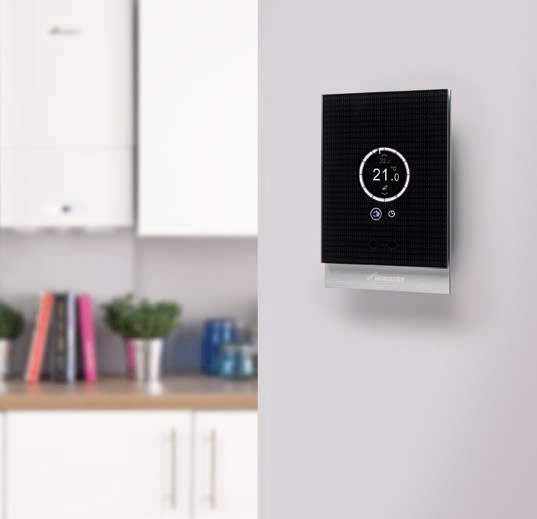
If your boiler needs upgrading to cope with the extra loads, consider switching to a system with smart heating controls - such as Worcester’s Wave - to maximise performance
Whether you’re tackling a single-storey rear extension, building a multi-storey addition or converting a loft, chances are you’ll have your sights set on creating a cosy, low-bills zone that complements the rest of your home. Your choice of heating system is a crucial decision, of course - but it’s not a standalone one. Before you make the final call, you’ll need to factor in energy performance, the condition and capacity of your current heating setup, simplicity of installation, running costs and more.
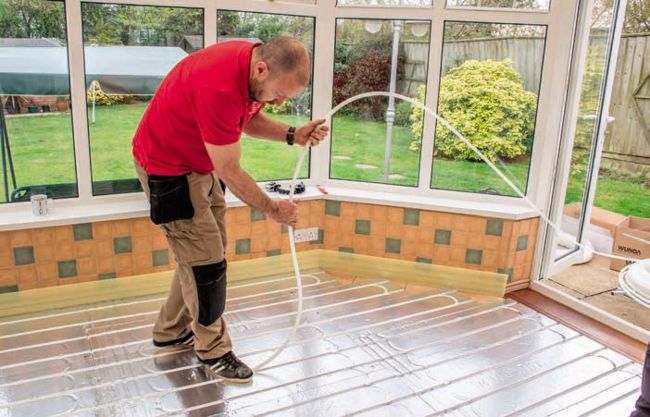
A slimprofile over-floor UFH system from Wunda being installed into pregrooved insulating panels as part of works to update an existing conservatory
First principles
A key first step is to pay plenty of attention to detail when it comes to the thermal performance of the fabric of both the new addition and the existing house. Upgrading the structure means you can minimise any extra heating load and get the best bang for your buck out of your setup.
Most homeowners will look to significantly exceed the minimum insulation and airtightness standards set out in Part L1B of the Building Regulations. After all, it stands to reason that the better the addition performs, the less extra space heating load you’ll be putting onto the existing boiler (or other heat source). Thankfully, it’s pretty easy to achieve this with modern materials and a decent builder.
Rather than looking at the new addition in isolation, though, it’s worth sparing a thought for the rest of your home. Yes, you could slap on a 20m2 rear extension replete with the best insulation money can buy in the walls, roof and floors, along with the latest triple glazing. But will that make best use of your budget, or would it make more sense to take a holistic approach and upgrade parts of the existing house, too?