How does green building affect house design?
Architect Julian Owen explores how a careful approach to planning a property can result in an energy-efficient structure with a low carbon footprint, made with minimum waste
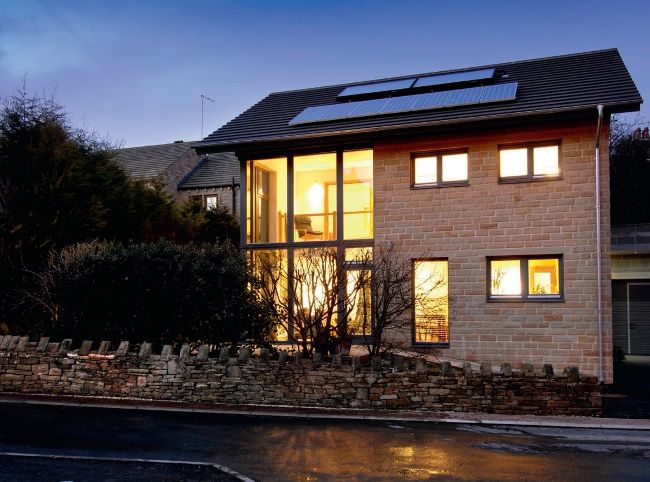
The Denby Dale Passivhaus project by Green Building Store (
www.greenbuildingstore.co.uk) was the UK’s first cavity wall constructed house to be Passivhaus certified.
Most people are familiar with the benefits of building in accordance with green design principles, particularly when it comes to reducing energy consumption. But the term is actually much broader than this and includes various aspects of construction, from using materials that are less harmful to the environment through to reducing demand on services, such as mains water and drainage.
Broadly speaking, there are two approaches to making a house greener. One is to hide environmentally-friendly elements as much as possible to preserve the illusion of traditional construction. An alternative strategy is to develop new building techniques that reflect and celebrate the ideas behind green design. Taking this approach creates contemporary and individual looking houses; in fact, it opens up a wide variety of styles.
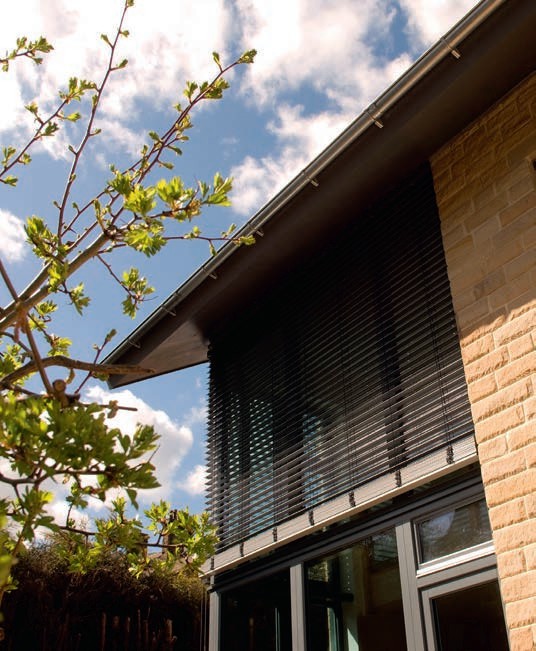
The property is 20 times more airtight than a standard building,
Energy efficiency
Making sure your external envelope is excellent at stopping heat from escaping is the first step to reducing energy consumption. One way is to specify three times the required insulation, which will make the walls noticeably thicker, having a subtle effect on the character of the house. But the ultimate way to harness thermal mass is to bury the dwelling partially or wholly underground and add a green roof, ideally at least 500mm thick with turf topping. This will also reduce impact on soakaways and drains, because the rainfall will be absorbed into the earth.