DESIGNING THE RIGHT EXTENSION FOR YOUR HOME
Architect Opinder Liddar takes a look at the key considerations to make when deciding on a design for your home’s new addition
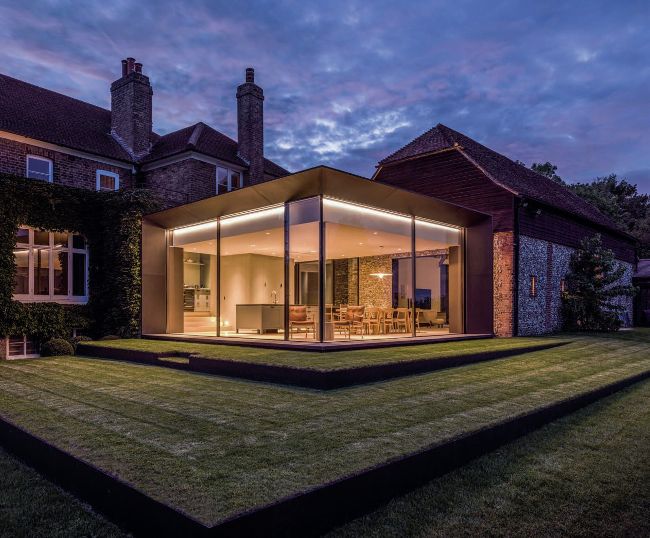
Gregory Phillips Architects (gregoryphillips. com) designed a contemporary extension for this Grade II listed farmhouse that suits open plan living, all while respecting the heritage of the existing property
MEL YATES
When deciding on a design for your home’s new extension, it’s important to remember that it is your home and therefore should always reflect what you want – not what anyone else wants. You may not be sure what the right design for your property and needs will look like. But your architect shouldn’t push you down a design path that you don’t want; nor should they simply draw up exactly what you’ve suggested to them. Rather, they should rather interpret what you want your home to achieve and turn this into an inspiring design.
In essence, the best type of extension is one that explores solutions to your home’s current constraints, responds to your needs and meets your budget. Here, I set out the steps that you and your designer should take to decide on the right design for your property.
Outline your brief
Before you begin design work, think about what you want your extension to achieve, both functionally and aesthetically, and communicate this clearly to your architect. To prepare, put together a scrapbook or a Pinterest board to get your imagination flowing. This can then be shared with your designer so that you set the tone of the scheme from the outset.