ALBUM BY ALBUM
JOHNNY MARR
ONE OF THE UK’S MOST REVERED INSTRUMENTALISTS, THE GUITARIST HELPED PROPEL THE SMITHS TO INDIE ROCK GREATNESS BEFORE BUILDING A PROLIFIC COLLABORATIVE BODY OF WORK WHICH EVENTUALLY EVOLVED INTO AN INCREASINGLY AMBITIOUS SOLO CAREER
JON O’BRIEN
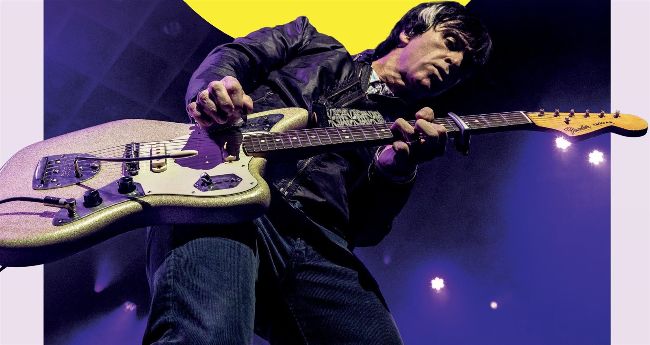
Johnny Marr remains a defining force in modern music and his guitar style is as influential as ever
Six years after first meeting at a Patti Smith gig, Johnny Marr and Morrissey debuted the songwriting partnership that many 80s indie fans consider to be akin to Lennon and McCartney’s. And on a record which practically reinvented the traditional guitar band, too.
However, not everyone saw The Smiths’ potential. Manchester’s finest, who, of course, also included bassist Andy Rourke and drummer Mike Joyce, were turned down by both EMI and Factory Records. And Geoff Travis, boss of their home label Rough Trade, only agreed to listen to their demo once Marr pinned him down to a swivel chair.
The recording of their self-titled debut wasn’t exactly plain sailing either. Early sessions produced by The Teardrop Explodes’ guitarist Troy Tate were abandoned, with both the quartet and the record company unhappy at their unpolished nature.
Morrissey also wanted to scrap the finished product overseen by ex-Roxy Music bassist John Porter. Not that he made such concerns public, claiming to
Melody Maker
that “I am ready to be burned at the stake in total defence of it.” Marr soon proved he could be just as self-aggrandising, too, bragging to
The Face
that, “For a lot of people, we’re the event of the decade.”
To be fair, that was no doubt true for those transfixed by Morrissey’s iconic gladioli-waving performance on
Top Of The Pops
: in a sign of things to come,
This Charming Man
didn’t get a studio album home. And while
The Smiths
is regarded as the least essential of the group’s four studio LPs, there’s still plenty to justify such hype.
Opener
Reel Around The Fountain
, a deeply melancholic six-minute tale of a formative sexual encounter steeped in ambiguity, perfectly set the tone for the group’s entire career.
Home to one of their most iconic lines (“Oh, Manchester, so much to answer for”), the controversial
Suffer Little Children
is a haunting portrait of the Moors murders which proved The Smiths were willing to confront subjects their peers wouldn’t even dare tiptoe around.
Referencing everything from Leonard Cohen to kitchen sink drama
A Taste Of Honey
, debut single
Hand In Glove
highlighted how they were also drawing cultural influences from a completely different well.
While Morrissey’s disaffected vocals and lyrical idiosyncrasies inevitably took centre stage, Marr is just as integral to the record, his shimmering guitar showcasing an incomparable understanding of melody and space. It would only get more brilliantly subversive.
THE SMITHS
Released 1984 Label Rough Trade Chart Positions UK No.2 US No.150
It felt like all the grown ups had left us and let us get along with doing our thing on our own,” Marr later told Hotpress about The Smiths’ entirely self-produced second studio album. The fact that Meat Is Murder knocked Springsteen’s Born In The U.S.A. off the UK No.1 spot proved they were even more effective when masters of their own destiny.
Of course, the Mancunians did draw upon the engineering talents of Stephen Street, cementing a working relationship that would extend into Morrissey’s solo career. But its nine songs, the majority of which originated in their guitarist’s Earl’s Court flat, is undeniably the sound of a band unwilling to compromise.
Just listen to the deeply oppressive title track, a six-minute militant pro-vegetarianism anthem bookended by a disturbing cacophony of noises which appear to stem from an abattoir. It’s little wonder that the indie generation were forever scared off their festively sliced turkey.
Nowhere Fast foreshadows the distaste for the royals that would define studio album number three, while opener The Headmaster Ritual is a scathing critique of England’s education system (“Belligerent ghouls run Manchester schools”) which showed that even with their US profile growing, The Smiths were still determined to keep things local.