Edward VI: The Forgotten Tudor King
The son Henry VIII always wanted is maligned as a sickly child – a reputation he doesn’t deserve. The real Edward, writes Tracy Borman, was a hearty lad who could have been as terrible as his father
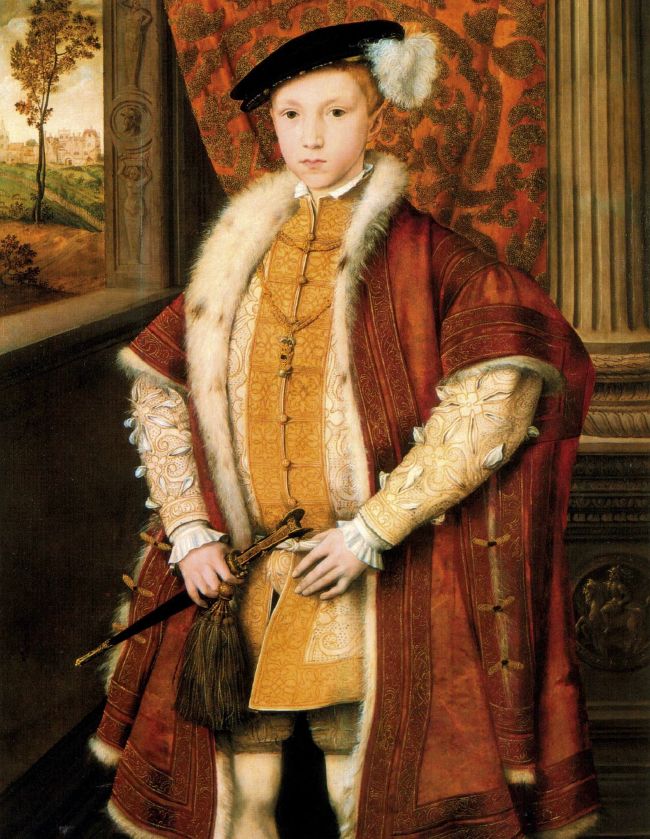
Fixed gaze, hands on belt, legs wide; Edward was taught to mimic the poses Henry VIII used himself, as a way of displaying his virility and prowess
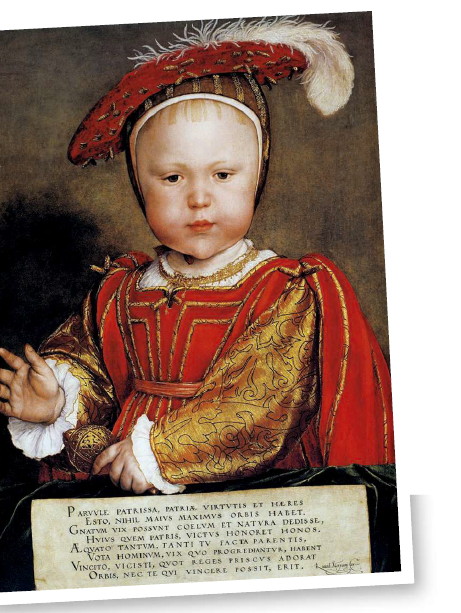
Edward’s birth was marked by 2,000 shots of cannon at the Tower of London
ALAMY X3, AKG IMAGES X1, BRIDGEMAN IMAGES X1, GETTY X1
DID YOU KNOW?
Henry was obsessed with preventing Edward from getting sick, to the point that he demanded that the walls, floors and ceilings of the Prince’s apartments be washed down several times a day.
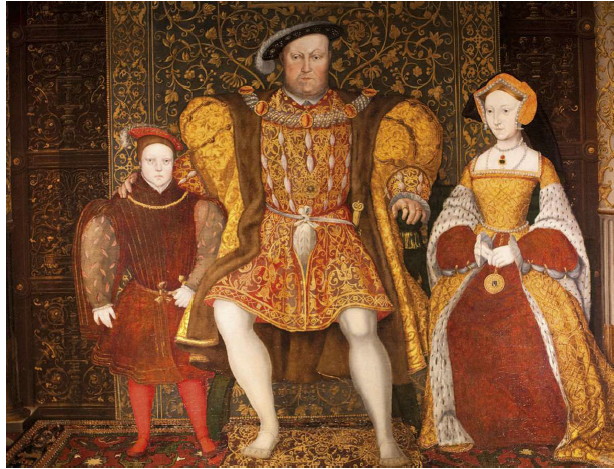
This portrait shows a happy family that never was: Edward did not know his mother – she died days after he was born
“Far from being dominated by ambitious councillors, Edward had all the makings of a tyrant”
At around 2am on 12 October 1537, Jane Seymour, the third wife of King Henry VIII, was delivered of a healthy son - “the most beautiful boy that ever was seen”. This was the defining moment of Henry’s reign: he had waited more than 20 long years for a healthy son and heir. Beset with joy, the King rode to Hampton Court to meet his “precious jewel”, the saviour of his dynasty. Meanwhile, the news was conveyed to all corners of the kingdom, sparking widespread celebrations. A lavish christening was held three days later in the chapel at Hampton Court Palace, and the child was christened Edward.
It is one of the great ironies in history that the boy upon whom Henry lavished so much care and attention, and in whom all his hopes were vested, would reign for just six and a half years. It would be the younger of Edward’s half-sisters, Elizabeth, largely disregarded by their father, who would rescue the fortunes of the Tudor dynasty and become its greatest monarch.
But if Edward’s reign was short, it was far from insignificant, heralding some of the most significant religious reforms that England has ever seen. Edward and his advisers, notably omas Cranmer, Archbishop of Canterbury, would lay the foundations for the modern Church of England. Neither was Edward the fragile boy that he has so often been portrayed as. He enjoyed robust health for most of his young life, and had a will of steel to match.
Far from being dominated by ambitious councillors such as the Dukes of Somerset and Northumberland, he had strong opinions, ideas of his own and all the makings of a tyrant. In short, he was a chip off the old block.
THE PRECOCIOUS PRINCE
Edward spent most of his early years at Hampton Court and a series of other palaces outside London, where the air was cleaner and the risk of plague much lower. He was widely reported to be a happy, healthy child. His lady governess, Margaret Bryan, who had also cared for Mary and Elizabeth, wrote an enthusiastic report of the Prince’s progress to omas Cromwell in March 1539: “My lord Prince is in good health and merry. Would to God the King and your Lordship had seen him last night. The minstrels played, and his Grace danced and played so wantonly that he could not stand still.”