2D meets 3D: How the workflows are merging
Interdimensional As VFX and animation evolve and tools become more accessible, Tanya Combrinck asks whether the separation between the mediums is reducing
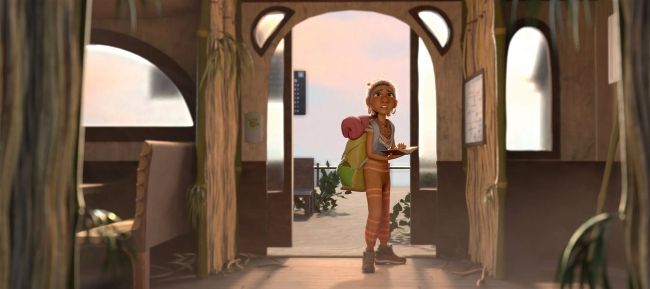
Astill from The Train to Qinling, Shir Baron’s animated short film.
We’re used to thinking of 2D and 3D artists operating in separate spheres with different tools. But these days, artists are finding both efficiencies and creative opportunities by reaching into the other dimension.
From personal workflows to large pipelines, across concept art, VFX and animation, teams and individuals are now starting to merge 2D and 3D techniques to work faster – and pioneer incredible new aesthetics.
The most visible manifestation of this to those outside the industry is the move away from the traditional CG look in animated films towards more creative, painterly styles. Rather than allowing 3D software to texture and light a scene in the usual way, artists have been using 2D techniques to paint 3D models of characters and backgrounds to create distinctive stylised looks.
VFX supervisor Archie Donato, a creator at the forefront of these techniques, has said that the aim is to create work that looks like paintings that have come alive. You can see it in projects such as the Spider-Verse films, Nimona, I Lost My Body, Puss in Boots: The Last Wish and the 2022 Netflix series Entergalactic.
FRESH APPROACHES
For artists working within the industry, bringing 3D techniques into traditionally 2D realms, and vice versa, is bringing all kinds of benefits. Shir Baron, an animator on Puss in Boots: The Last Wish and The Wild Robot, explains that there’s much to be gained from workflows that combine the freedom and creativity of drawing in 2D with the accuracy of 3D software.