STEGANOGRAPHY
The art of hiding messages in plain sight
Steganography might not be as well-known as cryptography but, as Mike Bedford reveals, it’s a powerful tool in preserving your security.
OUR EXPERT
Mike Bedford used invisible ink as a kid. Many years later he learned it was called steganography and discovered it’s gone digital.
QUICK TIP
Most steganography is network steganography. However, the term has a specific meaning of embedding information in network control protocols. For example, information could be hidden in optional fields in a TCP/IP packet header.
The year is 499BC and Histiaeus tires of his stay in Susa. He conspires to secretly start a revolt in Ionia against the Persians, something that would give him the excuse for his return. But how to send a message to Aristagoras without discovery?
According to Herodotus, in his classic work Histories – which chronicled the Greco-Persian Wars, and is considered to be the first ever piece of historical literature – Histiaeus shaved his servant’s head and tattooed that message on his scalp. Then, when the servant’s hair had grown back, the servant was dispatched to Aristagoras who was instructed to shave the visitor’s head to reveal what had been hidden. Yet if the servant had been apprehended en route, his captors wouldn’t have realised that he was carrying sensitive information. While ultimately Histiaeus’ ruse might have been realised and he was ultimately beheaded, this episode is thought to be the first-ever example of the technique of steganography – the word coming from the Greek for concealed writing.
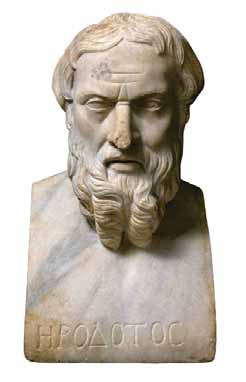
According to Herodotus, there’s a record of writing on to the wooden base of a wax tablet before applying its bees’ wax writing surface.
Although the aim is the same, it’s not the same as cryptography. In cryptography, no efforts are made to hide the presence of a message, so security comes from that message being sufficiently scrambled to make it unintelligible. In steganography, the message isn’t transformed – although for additional security it can be encrypted first – but it’s hidden in such a way that nobody will suspect that information is being exchanged.
Here we’re going to show you how to exchange messages using steganography, but don’t worry, we won’t be asking you to shave your head. Instead, we’ll be hiding information in commonly exchanged digital media including images, audio files and even text documents. First, we’ll provide some guidance on how to do that manually, so you get to see how it works, and then we’ll follow that up by introducing software that makes steganography a more practical proposition.
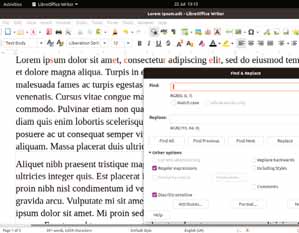
Tiny alterations to the characters’ colours in this LibreOffice Writer document were unnoticeable to the eye, but a simple find and replace has revealed the word “secret”.
Steganography in LibreOffice