The Future Bites
It was the album that should have launched Ian Anderson’s solo career, but A nearly broke Jethro Tull. The frontman revisits the heady 80s and discusses the Big Split, nuclear war and inadvisable stagewear.
Flyingdale Flyer: Johnny Sharp Images: Jethro Tull Archive
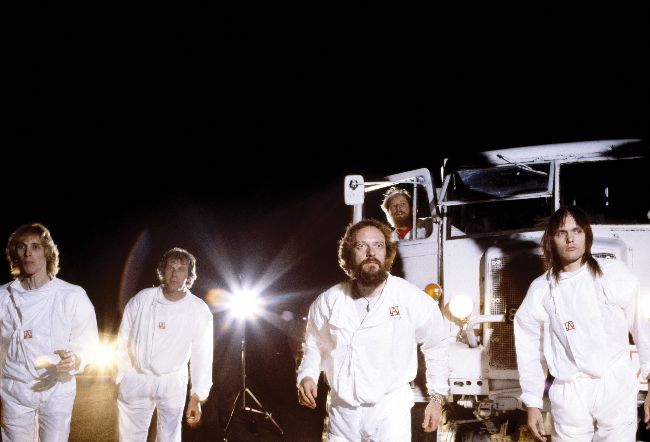
It’ll be all-white… except it won’t.
New decade, new Tull. That’s the simplistic potted history version of what happened to Ian Anderson and his band before they made the album A in the spring of 1980. Three members of the line-up that had made the folk rock triptych of Songs From The Wood, Heavy Horses and Stormwatch over the preceding three years, namely drummer Barriemore Barlow, keyboard player John Evan and fellow keyboard player and pianist Dee Palmer, were now out, while Roxy Music alumnus Eddie Jobson and ex-Fairport man Dave Pegg were in, alongside new drummer Mark Craney.
“Jethro Tull – Big Split” barked the headline in Melody Maker, and the redux version of rock history has since cemented the event as such.
The truth, of course, is considerably more complicated. And having just revisited the album to help produce A (A La Mode), a handsome 40th Anniversary Edition reissue box, Anderson can now reflect on a turbulent time for Tull. Regrets? He has a few…
“There was a general feeling of ‘Let’s do something else, try some other projects, other interests in life, you know?’”
That’s Ian Anderson’s recollection to Prog over an 8am phone chat (“I’ve always been a morning person”). And for his part, that led to him writing and recording a solo album.
He had got to know Eddie Jobson from the keyboard player’s role in fusion proggers UK, alongside John Wetton and Terry Bozzio, when the supergroup (by that time no longer featuring original members Allan Holdsworth and Bill Bruford, and soon to call it day altogether) had opened for Tull on a North American tour the previous year.