DEAD END
FINAL DESTINATION CREATOR JEFFREY REDDICK ALKS ABOUT CASTING DEATH AS THE PRIME ANTAGONIST
WORDS: OLIVER PFEIFFER
ALAMY, GETTY, © NEW LINE CINEMA
WHO HASN’T experienced that unshakable feeling that forces are somehow conspiring against you? There’s a dark inevitability underpinning human existence that’s hard to ignore. Perhaps that’s what gives good horror films their relatable dread-inducing power. To a significant degree this is what Final Destination, which emerged in 2000 as the postmodern slasher horror film resurgence was reaching overkill, capitalised on.
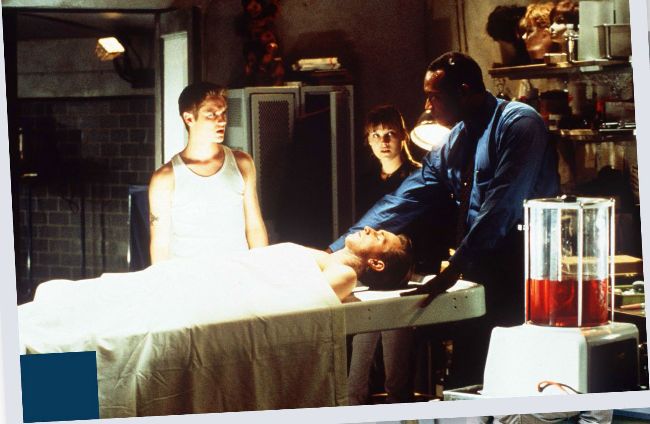
Candyman Candyman Candyman Candyman…
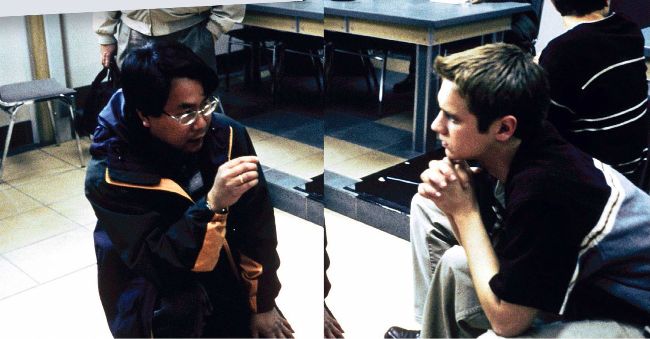
“What’s my motivation?” “Dying.” “Oh yeah.”
ALAMY, GETTY, © NEW LINE CINEMA
Death is inevitable and you don’t know when or where it’s going to happen
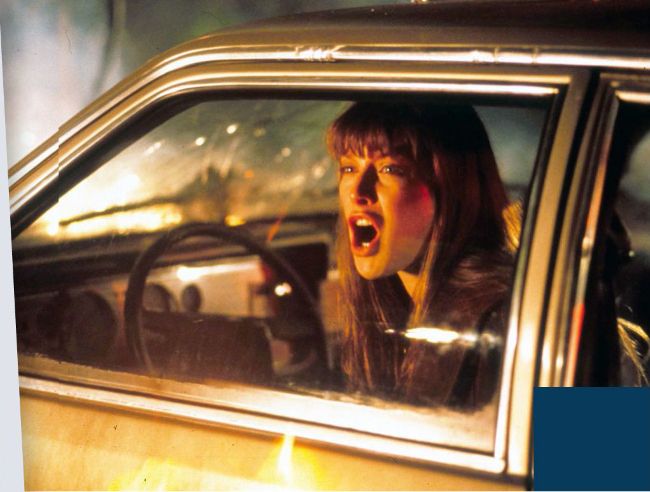
“…and get me some Quavers while you’re there!”
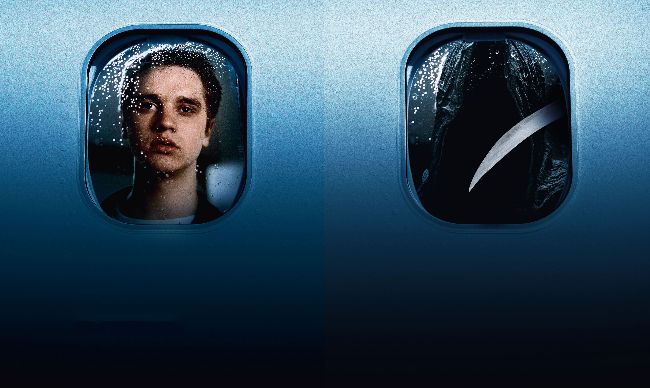
Concerning a teenager’s scary premonition of a plane crash that subsequently prevents him and a group of students from dying, only for death to claim their lives one by one later in gruesome fashion, Final Destination had a bleak preordained sensibility that suggested you can never cheat death even if you disrupt its design. It was the perfect antidote to the relentless killer-in-a-mask antagonist, precisely because the Grim Reaper wasn’t depicted. Instead, death was hidden behind the morbid possibilities of the everyday.
“The studio was having a hard time getting their head around not having a physical killer,” writer Jeffrey Reddick, who created the story, tells SFX. “They were like, ‘We don’t understand it; you can’t fight it, you can’t see it!’ We were like, ‘That’s the point - it’s death.’”