Coop CONSTR UCTION
Consider these basic architectural elements, whether you’re building your own or plan to buy a pre-made structure.
By Wendy Bedwell-Wilson
FORGEMIND ARCHMEDIA/FLICKR
You know what you need for your coop, but how do you build a coop — or make an informed purchase — to suit your chickens’ needs? We’ll take a look at the architectural elements to plan for when setting up a new coop.

SHUTTERSTOCK: FREDREDHAT, WHITE RABBIT83
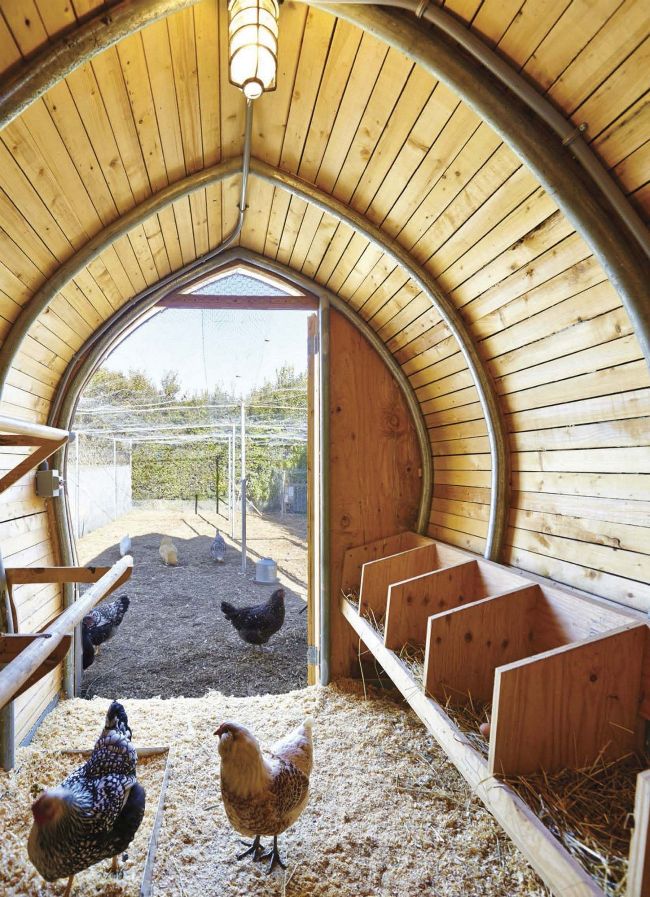
Coops can be both beautiful and functional.
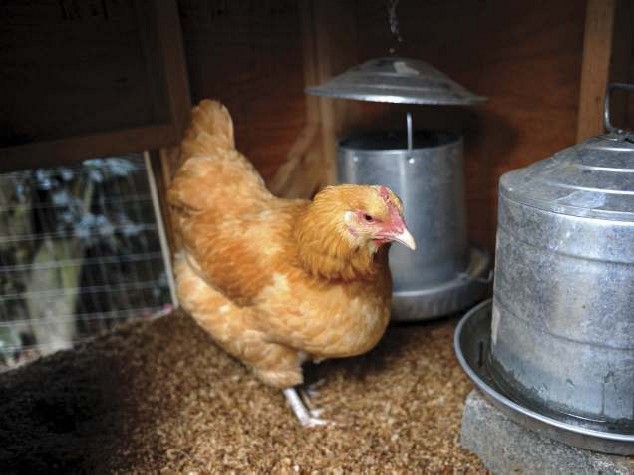
Private nest boxes help keep stress down.
TOP: FORGEMIND ARCHMEDIA/FLICKR, BOTTOM: BRAH MA/FLICKR
Coop Features and Decor
When it comes to making your ladies feel right at home, it’s all about the niceties. Think about it: the features that make your own house a home include cozy comforts such as plush carpeting, an overstuffed couch and big-screen television, central heating and air conditioning, and granite countertops, right? It’s a similar story with chickens. They thrive in a coop with clean and fluffy bedding, private nesting boxes, adequate ventilation, comfortable temperatures, and clean and sanitized food and water dishes.
With some architectural planning and interior coop-design savvy, it’s easy to ensure your chickens’ henhouse and yard provide not only the special touches that make chickens comfortable but also the essential elements that they need to flourish. Here’s what you should consider before you break ground on your ladies’ new digs.
Architectural Elements
First things first. Coop comforts begin with a discussion about the chicken coop’s structure and its conveniences. Your chickens’ yard and henhouse can be designed in myriad ways depending on your particular needs. Regardless of its design, however, the coop will need to incorporate some specific architectural features. It should
• be free from drafts and able to maintain a comfortable ambient temperature,
• offer plenty of space for the birds to stretch their wings and wander,
• provide adequate ventilation,
• offer protection against predators — both airborne and terrestrial — and
• be accessible so that you can clean and collect eggs.
Let’s take a closer look at why these elements are important and how you can incorporate them into your chicken coop.
Temperature and Draft Control
When designing your henhouse and yard, you need to make temperature and draft control top priorities. Chickens prefer ambient temperatures between 70 and 75 degrees Fahrenheit — room temperature for us humans. Because the birds live outside, where temperatures vary depending on where you live and what season it is, you’ll need to consider architectural features that ensure the birds stay comfortable.