Why cash flow is crucial for self builders
By taking sensible steps to ensure you stay in control of cash flow, you can enjoy a positive experience throughout your build, says Mike Hardwick
Mike Hardwick
COLIN POOLE

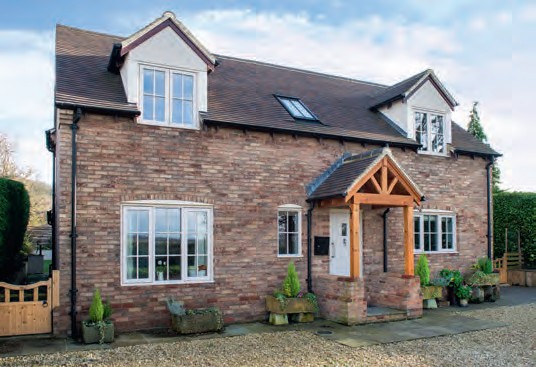
Contingencies often get their first dent during the groundworks stages, as the Scrivenses found on their project. A high water table meant they had to switch to engineered piled foundations for their 164m2 cottage – adding another £10,000 to their construction costs. But they’ve ended up with the dream home they wanted
Cash is king is a phrase you hear a lot in business. Without the liquidity offered by cash, everything grinds to a halt: bills don’t get paid; suppliers stop supplying; and your project stalls.
It’s no different with self building, where keeping a positive cash flow throughout the process is critical. If you run out of funds and fail to pay the bills, problems will quickly stack up and your project could start to become a Grand Designs-style burden. It doesn’t have to be like that, though. Hopefully these tips will help you keep things on track and make your scheme a success.
First things first
You can’t expect me to write an article involving money without making my standard pleas about setting a realistic budget. Starting out with rose-tinted glasses firmly in place and inadequate funds for what you want to build is a basic error – and the one that’s most likely to cause your project to fail.
Construct a home that reflects your true budget; not what you think you’d like to have. You can’t assume a limited amount of money will simply stretch to suit your scheme, regardless of size, quality and complexity. It won’t. In fact, it will run out very quickly.