How to self-build for under £200,000
Want to create your own home on a realistic budget? Chris Bates gives his 15 top tips to help you keep a lid on your construction costs
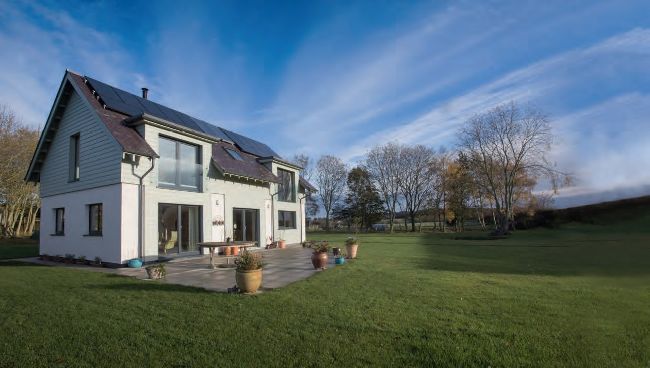
Karen and Ian Henderson have managed to build a 143m2, three-bedroom eco house for a keen construction cost of £199,300. “We wanted to prove that we could create an affordable Passivhausstandard home and show it’s a viable way forward for future self-builders”, says Karen, who project managed the scheme to help keep costs down
DAVE BURTON
If you’ve been watching too much Grand Designs, you might think all self-builders have huge budgets – plus the odd holiday home or side business they can sell on when they’ve inevitably overspent halfway through the project.
In fact, the vast majority of us are looking to build relatively modest homes on correspondingly modest budgets.
According to the Build It Estimating Service, a typical construction cost for a three bedroom house is around £1,550 per m2 of internal floor area (on the basis of a main contractor route and a typical quality specification, which would be slightly above that of a mass-market developer).
Follow that logic, and a budget of £200,000 could net you a 129m2 home before you factor in any penny-pinching tricks.
For instance, managing your own scheme (see point 9) could save you 20% just by cutting out the builder’s profit margin.
Staying on-time and on-budget is always challenging; even more so if money is tight to start with. But many people successfully self-build for well under £200,000. Here’s what to consider if you want to follow in their footprints.
1 Set a budget… and stick to it
Our interactive build cost calculator (www.self-build.co.uk/calculator) is a useful ready reckoner to help you gauge what you could achieve for your money – but if there’s a strict limit to what you can spend on the construction phase, it’s vital to keep that in mind throughout the process. It will affect every decision you make on your project – including what kind of plot will work for you (and possibly where it will be, given materials and labour prices vary across the country).
When you come to deal with your designer, make sure they understand that the figure you’ve identified is the absolute maximum you can afford (and be clear on whether their fees are on top or factored in). They should be working to develop a scheme that meets all your requirements – including how much you have to spend – so don’t be afraid to ask them to carry out a budget check on the design before you put in your planning application and go out to tender. For peace of mind, use the Build It Estimating Service (www.self-build.co.uk/estimate) to obtain a highly detailed breakdown of the costs and works involved in your scheme.
This can become the basis of your cost plan, which will help you keep tabs on your budget throughout.
2 Build in a contingency
No matter how straightforward the plot or simple the design, unforeseen things will almost always crop up on a project. So whether your budget for the construction works is £50,000, £100,000 or £200,000, from the outset you should always ring-fence some of that purely to deal with unexpected issues. One of the most common areas of additional expense is getting out of the ground, as you can never be truly sure what the soil conditions are like until you start digging out for the foundations. You can cut the risks with a site survey (typically around £500) and boring small trial holes.