OLED displays APPLE SKILLS
OLED displays
HOW IT WORKS
The OLED display in the new iPad Pro is a great leap forward
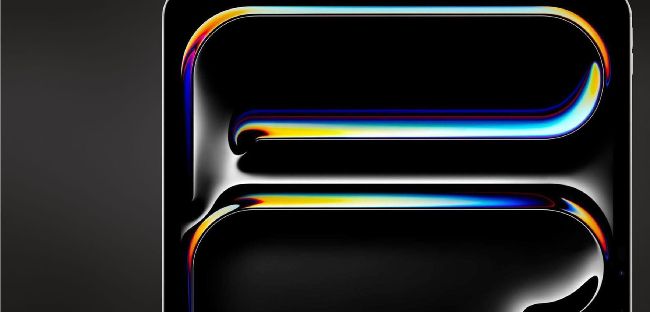
The latest iPad Pro (see page 6) is the first of Apple’s larger devices to benefit from an OLED display.
YOU WILL LEARN
How OLED displays work, and their advantages
Key fact
An OLED display can be thinner and lighter than a conventional LCD display, and this has given rise to a spate of foldable smartphones from Android-based manufacturers such as Samsung and Motorola. Apple is thought to be working on prototypes for a foldable iPhone – and a foldable MacBook too – but durability problems with folding screens seem to be holding this up.
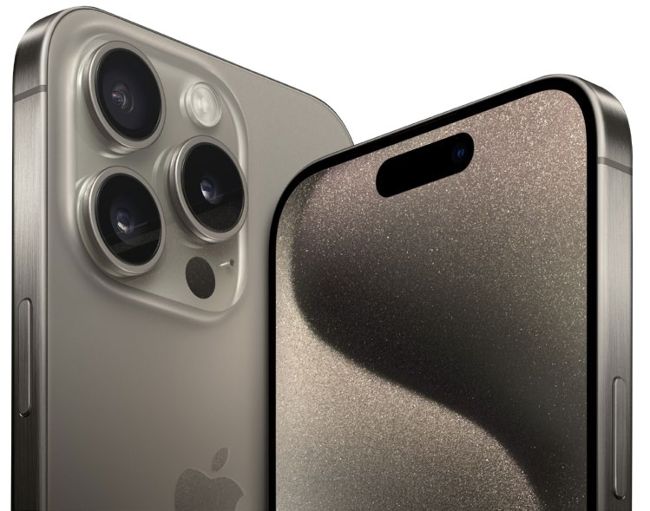
Apple uses OLED screens for iPhone, but screens for larger devices have been prohibitively expensive.
Image credit: Apple Inc
Organic light-emitting diode (OLED)
display technology has only ever been used in a limited way in Apple products, being chiefly found on the iPhone and Apple Watch.
That looks set to change. With the new iPad Pro sporting an Ultra Retina XDR display that uses Tandem OLED, you can expect OLED to appear in even more Apple products in future, including Apple computers such as the MacBook Pro and MacBook Air. So what is OLED, and what advantages does it offer over the more common LCD and LED display technologies that are in use today?