Every journey is a race
The enduring image of Lawrence of Arabia is that of a robed military tactician astride a camel in the desert of the First World War, but as Mat Oxley – whose latest book explores TE Lawrence’s love of motorcycles – explains, the fame-shy soldier and author was a speed freak with a passion for Brough Superiors
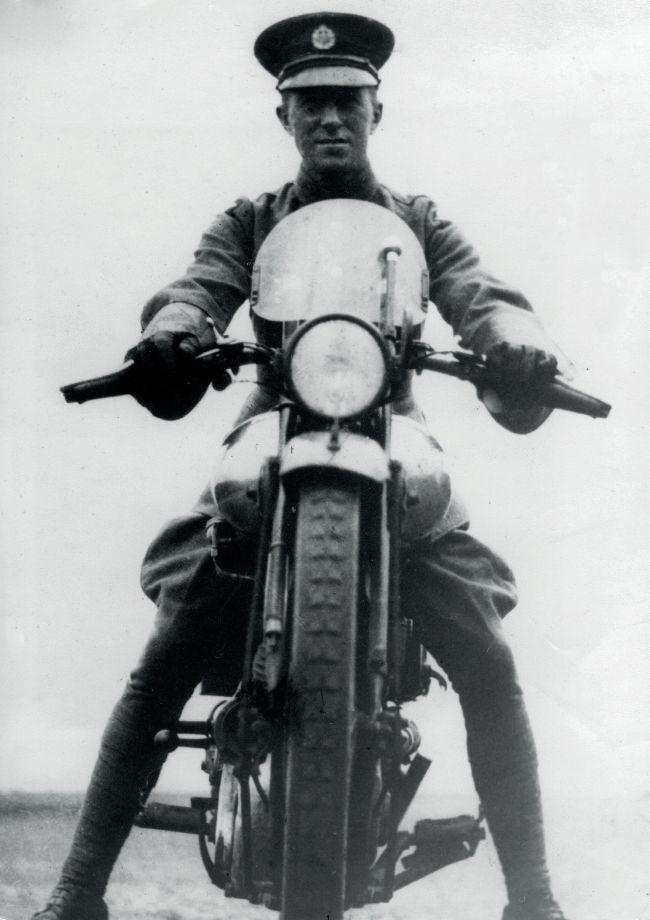
TE Lawrence’s fascination with speed and danger was a release from his wartime memories. Right: opposing the Ottomans at the Battle of Aqaba, 1917
GETTY IMAGES, ALAMY
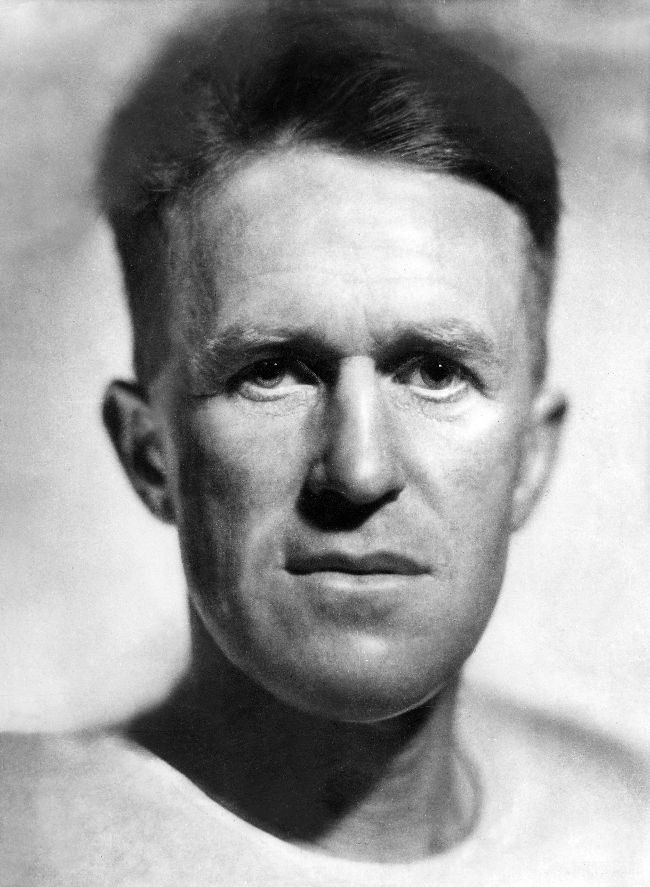
Photographed here around his 40th birthday in 1928, Lawrence had no desire for the trappings of fame and had joined the RAF to be closer to working people
THE BURBLE OF MY EXHAUST unwound like a long cord behind me. Soon my speed snapped it, and I heard only the cry of the wind... The cry rose with my speed to a shriek: while the air’s coldness streamed like two jets of iced water into my dissolving eyes. I screwed them to slits, and focused my sight ahead of me on the empty mosaic of the tar’s gravelled undulations.
“Like arrows the tiny flies pricked my cheeks: and sometimes a heavier body, some housefly or beetle, would crash into face or lips like a spent bullet. A glance at the speedometer: 78. Boanerges is warming up. I pull the throttle right open, on the top of the slope, and we swoop, flying across the dip, and up-down the switchback beyond: the weighty machine launching itself like a projectile with a whirr of wheels into the air at the take-off of each rise, to land lurchingly with such a snatch of the driving chain as jerks my spine like a rictus.”
Every bike ride was a race to TE Lawrence, aka Lawrence of Arabia, Britain’s greatest First World War hero and one of its most brilliant authors. TEL was also motorcycling’s greatest icon of the first half of the 20th century and wrote some of the finest stories about the thrill of riding motorcycles.
Lawrence never contested an Isle of Man TT, but he was keen to have a go around the Mountain circuit. “I’d thoroughly enjoy the ride,” he wrote to George Brough, who contested the 1913 Senior TT.
There was one great hindrance that prevented TEL from transforming his addiction to high-speed riding into competitive action. “One of the penalties to fame is that you mustn’t lose,” he added in the same letter. “Once in, you’ll have to win it.”
Lawrence made his name when he fomented, organised and led an Arab revolt against the Turkish army’s rear, using fastmoving guerrilla tactics to disable one of Germany’s key allies. He rode his first motorcycle while in the Middle East, which the locals called a “devil horse”.
His heroic wartime exploits were recorded by American journalist Lowell Thomas, who travelled with Lawrence and turned his story into several books and the world’s first multimedia exhibition. Lowell said he had been looking for a new Richard the Lionheart and he found him in Lawrence, whom he called “a modern Arabian knight”.
Britain needed a romantic war hero in the chill aftermath of the war. It was difficult to find any military glitter in the bloody squalor of the Somme, but here was Lawrence, wearing dazzling white Arab robes, his jambiya dagger glinting in the desert sun.