Eco Gaming
As environmental concerns and eco-friendly alternatives continue to grow, do players need a sea change in attitude when it comes to the ubiquitous and versatile material?
Words by Joshua King
PLASTIC FANTASTIC
GAMING’S FATAL ATTRACTION
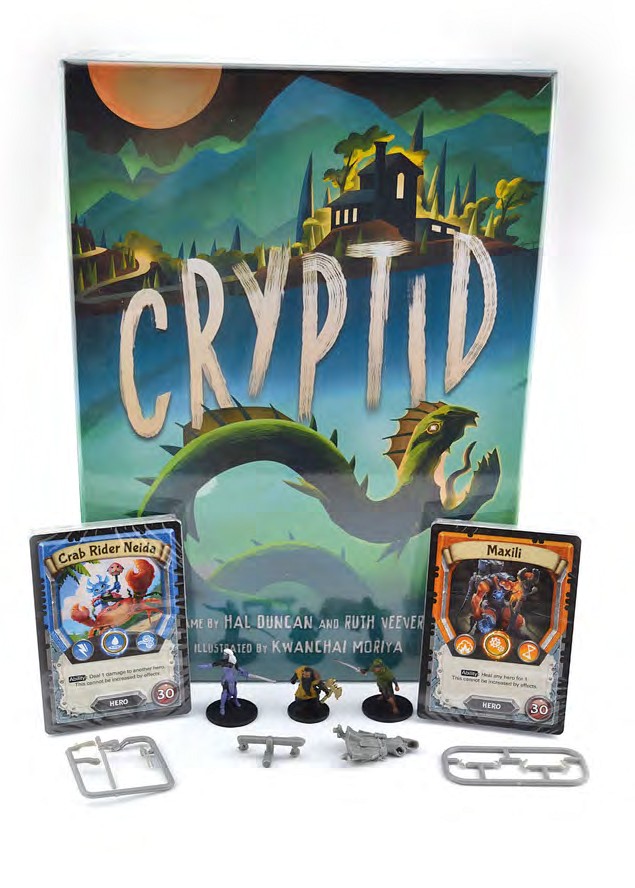
Some of the examples of plastic used in different games, including cellophane wrap and miniatures
You watch albatrosses unwittingly feed plastic to their starving chicks. A hawksbill turtle struggles tangled in a plastic sack. Most distressingly of all, you are stunned by footage of a pilot whale clinging to her dead calf as you learn the gentle giant may have been poisoned by its own mother’s contaminated milk.
This vision of our oceans comes not from some apocalyptic board game but rather reality, as seen on our television screens. The BBC’s Blue Planet II, narrated by David Attenborough, was a wake-up call to a nation captivated by the beauty and fragility of our waters.
The series was the most watched on British television last year and prompted a rapid shift in consumer attitudes towards plastic and its environmental impact. Elsewhere, the government has banned microbeads from soaps and cleansers and is targeting single-use plastics with new legislation. The 5p plastic bag tax has changed the way many people transport their groceries.
But while Attenborough warns that humanity holds the “fate of the planet in its hands”, is the tabletop industry – which relies so heavily on plastic – doing its part?
THE PRICE OF A BOX
Unlike many retail products, board games and their plastic pieces are rarely single-use. In fact, many people keep their copies for a lifetime. But tabletop games are not immune to the excessive packaging that plagues other industries; boxes are wrapped in cellophane, individual components packed into one-use polythene bags.
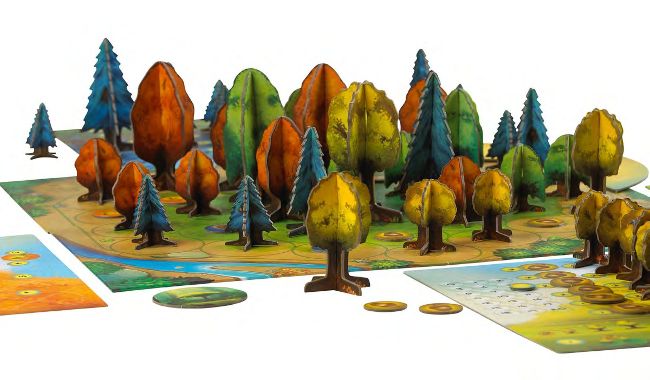
Photosynthesis’ box and components – including its 3D trees – are manufactured from recycled cardboard
Every gamer knows the joy of unboxing a new title comes with a hefty amount of waste. The fashion for legacy games that evolve as they are played brings with it extra rubbish, and as plastic miniatures become increasingly intricate so does the plastic trimming used to create and package them.
Fiona Nicholls, Greenpeace UK’s ocean plastics campaigner, reveals that a “truck-worth of plastic” enters the ocean every 60 seconds.