The 911R and 20,000km at Monza
Monza
THE MAKING OF THE 911R
In 1967, Porsche’s 911R prototype broke no less than five endurance records at Monza… and it wasn’t even supposed to be there. Total 911 looks back on the incredible circumstances that made the R a legend
Written by Kieron Fennelly
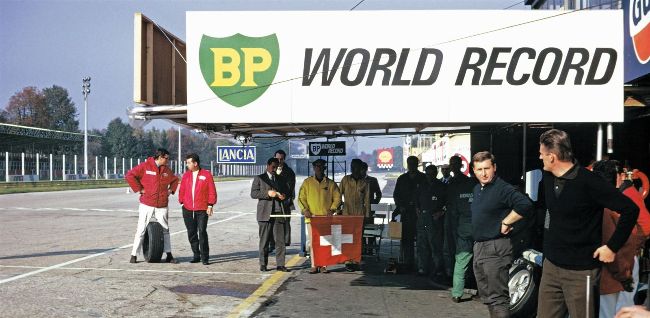
Photography courtesy Porsche Archive
Ferry Porsche famously said he couldn’t find the sports car he wanted, so decided to build his own. Cautious yet astute businessman that he was, Ferry could probably see that within a few years his niche sports car could become a modest commercial success.
Perhaps what he did not envisage was the speed at which his cars would be pressed into competition by customers. By the 1960s Porsche had become almost the default choice for European pro racers and quite a few American amateurs. In 1963 Ferry’s nephew, Ferdinand Piëch, became the next scion to join the family firm, after Butzi Porsche in 1957.
By 1966 Piëch had elevated himself to technical director and oversaw management of the competition department. Restlessly energetic, Piëch wanted Porsche to be outright winners rather than the successful minnow it had been since the early 1950s. His ultimate ambition was to win the 24 Hours of Le Mans and even take the company over from his uncle. After rejecting the Butzi-styled 904, not just because of its heavy beam-chassis, he designed his first race car, the 906 or Carrera 6. This exhibited a completely new approach, employing a steel tubular frame and applying as much knowledge of aerodynamics as Porsche possessed. The 906 marked the start of hothouse development and a series of sports racers that culminated in the all-conquering 917, which appeared in 1969.