Photo Active
10 things you can shoot, edit or create this month, from sport to macro closeups and falcons in flight
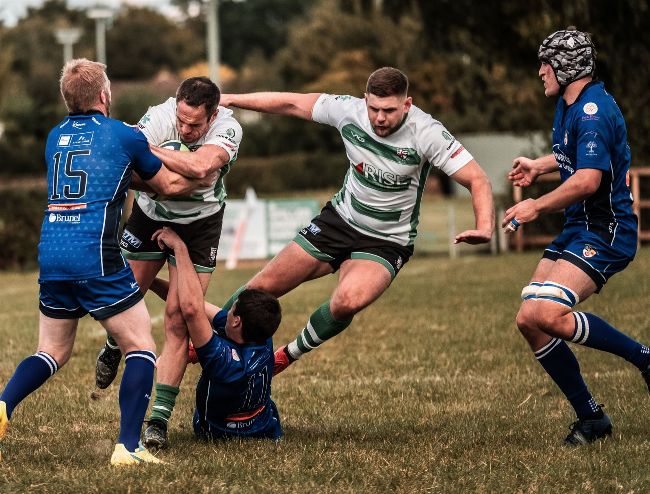
Alistair Campbell
1/4000 sec
f/2.8
ISO 800
1 | ACTION
How to be pitch perfect
You don’t need a press badge to visit your local club and capture some fast-paced action
Spring is the perfect time to try out some fast-paced photography with a sports team near where you live. If you have a zoom lens with a decent range then you have everything you need.
Local matches are usually free to attend and you can get reasonably close to the action without being faced by a fluorescent wall of stewards like you find at professional matches. Today, I’m taking my slightly older Fujifilm X-T2 (I don’t mind if it gets a bit beaten up or splattered with mud) paired with a Fujifilm XF 50-140mm F/2.8 R LM OIS WR telephoto lens (a 70-200mm in full-frame equivalent terms). I find that it’s a perfect focal length for this environment, allowing plenty of versatility when the action is in the closer half of the playing field.
Modern cameras have come a long way in recent years and by utilising the faster shutter speeds, burst modes and ultra-fast focusing, you’ll be sure to come away with a couple of points on the board. Like any genre of photography, the more you practise the better you will get. However, with sport, it’s important to not only know the technical side of your camera, but to learn how to read the game in front of you. This will allow you to predict where the ball is going and how the players will interact, giving you a winning edge.
TIP CARD
Take it on location
For the best chance of grabbing a good shot, use continuous focusing and high-speed burst mode together.
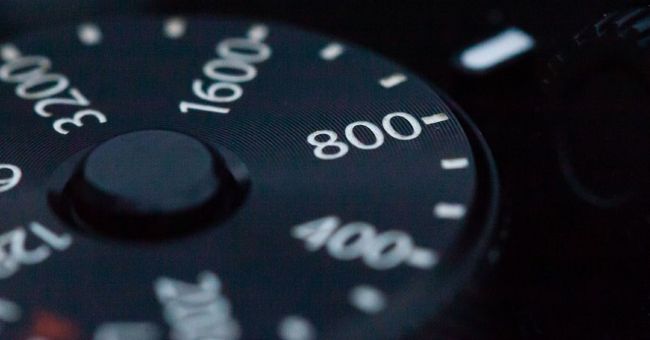
Higher ISOs...
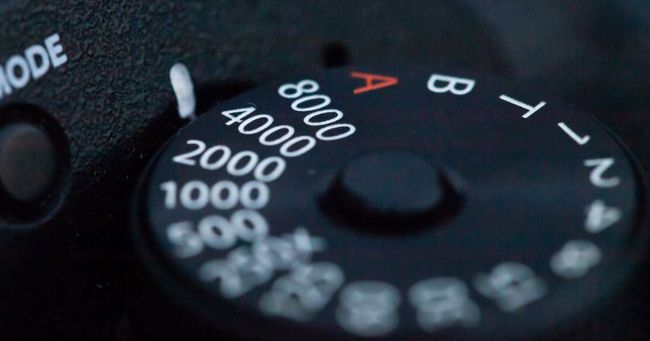
... mean faster shutter speeds
1
Increase your ISO for faster shutter speeds
It’s always tempting (especially when outdoors) to keep your ISO close to 100 to reduce noise, but in order to drive your shutter speeds up and be able to capture crisp action, you need to increase it to around ISO 640-1250. Once you’re shooting at 1/2000 sec and upwards, the photos need to get a lot more light.
2 Use back-button focusing
Some photographers swear by back-button focusing, while others never use it, but it can come in handy for fast-moving subjects. When back button focus is activated, the focusing system is triggered by pressing a button on the rear of the camera (usually AF-ON). You then use the shutter release to take the shot as normal.
3 Experiment with your aperture
I tend to shoot wide open most of the time, as it means my shutter speed is increased and I get a short, sharp shot. Sometimes a shallow focus isn’t the best setting for a scene, so you may want a deeper focus to incorporate more of the background. Try using anything from f/1.8 (if your lens allows it) to f/9 for different aesthetics.
1/4000 sec at f/2.8, ISO 800
Tackling the basics
Stand in the best position – for me this is anywhere at each end rather than by the sideline. This way, the action will be coming towards you and you’ll be more likely to see the ball in shot. If there are barriers or fences surrounding the pitch, utilise them to your advantage and steady your shot. You might want to consider shooting via the LCD screen, as this will enable you to scan the play by looking over your camera at the game and help you predict where the ball might be going next. Shoot in small, sharp bursts to keep your image counts down to a manageable level once you get back to your computer.
Use burst mode
The more you shoot, the better you will become. Try sticking with one lens for a short period of time until its field of view becomes second nature. Program buttons to work with your style and tip the technical scales so they work to your advantage.
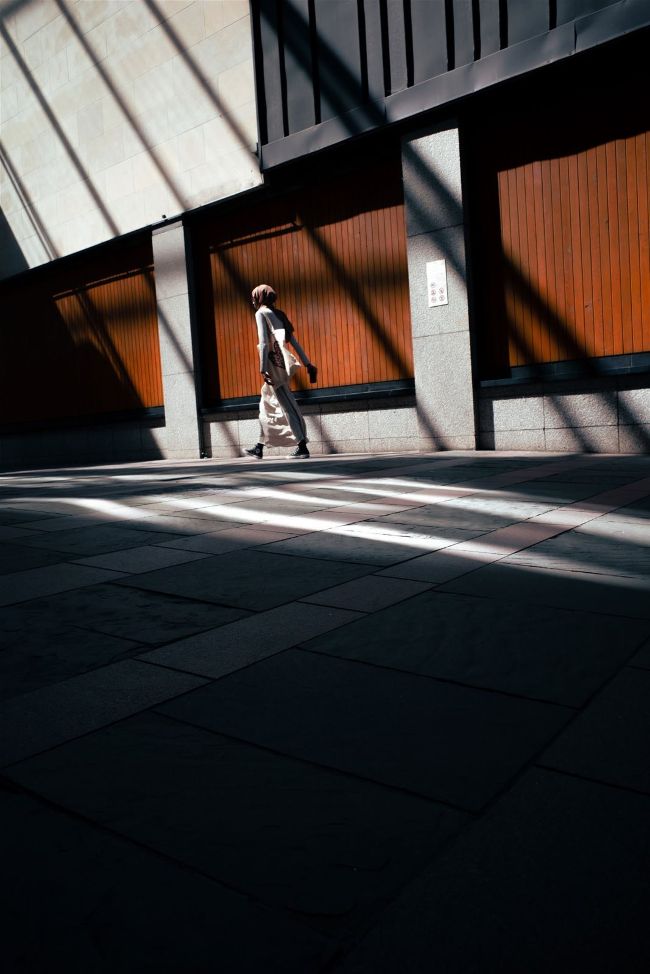
Darren Ridgway
2 | STREET
Get some shade
Learn how to shoot the streets with Darren Ridgway
I live in Bristol, so naturally I spend most of my time shooting photos there. In the last couple of years since the world opened up again, I’ve been lucky enough to make a few trips to other cities in Europe (Como, Geneva, Montreux, Beziers and Speyer) to develop my camera skills. The genre of street photography is very broad: you walk around a public area with a camera and take pictures of whatever you find interesting. It’s extremely accessible to anyone with a camera of any kind, which makes it a great way to hone your photographic skills. It is also definitely one of the more challenging forms of photography in terms of raw skill.