HOW TO BUY YOUR SPICES RIGHT
They helped shape the modern world and they’re key to many recipes and cuisines, yet not many of us know who produces them. Anna Sulan Masing finds out how to buy spices that are better for the environment and the people who grow them... Then turn to a trio of recipes to showcase their brilliance
RECIPES AND FOOD STYLING EMILY GUSSIN
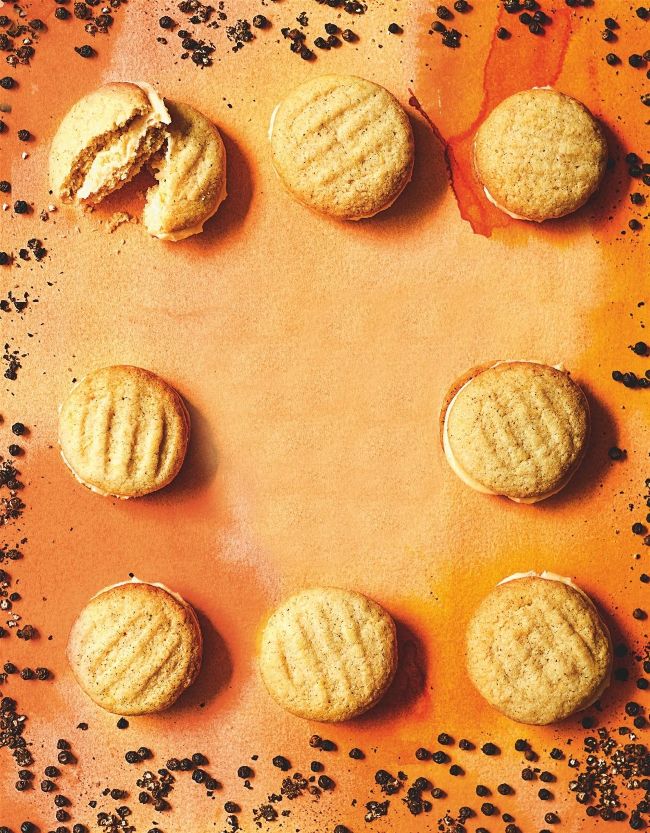
PHOTOGRAPHS INDIA WHILEY-MORTON
What are spices? Broadly speaking, they’re seeds, roots, berries and bark from warm regions. They have a long history and have been associated with medicines, food, perfumes and rituals for thousands of years. Because spices are light and powerful – asmall amount adds lots of flavour – and can usually be sold dried, they were excellent ingredients to be traded around the world at high prices. Ancient Rome adored black pepper – which is how we have the popular dish of cacio e pepe; although originally from South Asia, turmeric was spotted in China by Marco Polo; cumin, native to the Middle East, is a key ingredient in Mexican mole; and the Sri Lankan spice cinnamon is a favourite in Nordic baking.
DO YOU KNOW WHAT YOU’RE BUYING?
When you pick up a jar of turmeric or saffron in the supermarket, do you read the small print to find out its place of production? The label might give a non-specific origin as the large brands often get their spices from different growers and even different countries.
Numra Siddiqui, writer and chef of British-Pakistani caterer Empress Market, is careful when choosing spices. “I spend time reading labels and fine print. I look for plump green cardamom pods, tightly wound cinnamon sticks, bright orange turmeric.” When she can, Numra buys direct from Pakistan, where she’s developing a project with Pakistani farmers.