BUILDING A BETTER FUTURE
The housing crisis is nothing new, and Amanda Randall explores the history of creating towns purposefully built with the aim of improving the lives of our ancestors. From Saltaire, to Swindon and Central Lancashire – it’s a history of communities that reaches back to the 1800s and even 1700s
Amanda Randall
PURPOSE-BUILT TOWNS
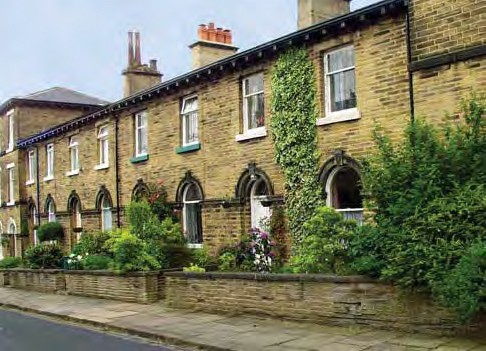
Workers’ homes, Saltaire, Yorkshire
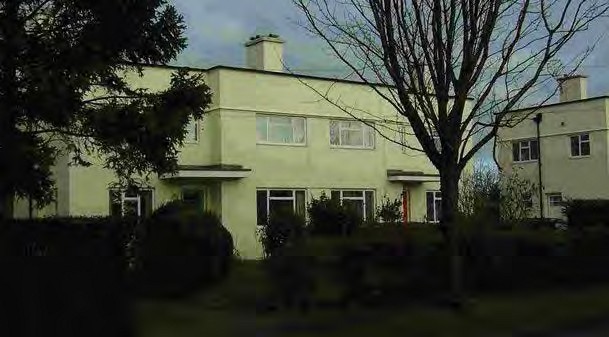
Silver Lane, established in 1926, the home of Crittal windows – themselves a key feature of homes (temporary and permanent) in the subsequent decades
The study of villages and towns that were built across the UK to house workers is a complex and wide-ranging field. Emerging ideas about social and political reform, urban planning, education, philanthropy, morality and religion, the Quaker and Temperance movements, and plain ambition are all part of this fascinating history, which is still alive today.
It’s not easy to define an online search term to find out more about them, however. Should you look for ‘Utopias’, ‘purpose-built villages’, ‘model villages’, ‘villages of vision’, ‘factory workers’ homes’?
In fact it’s easier to look for specific examples, for instance New Lanark (Robert Owen’s visionary ‘ideal community’ in Scotland); Saltaire (founded for woollen mill workers by Sir Titus Salt in 1850); Port Sunlight (between 1899-1914 – the Lever Brothers built 800 workers’ houses New Earswick (Joseph Rowntree’s experimental town started in 1902 near York. With the slightly earlier Cadbury Bournville settlement, New Earswick became one of the models for the later garden cities movement). However, these well-known names are not the whole story.
An illustrious illusion
A passion for improvement had pervaded the 18th century as dilapidated country houses were swept away and rebuilt. The pinnacle of fashion was to live in a beautifully crafted country park with a wellproportioned house, preferably landscaped by Lancelot ‘Capability’ Brown or Humphrey Repton,meanwhile concealing the lives of those who laboured to preserve their masters’ luxurious lifestyles. Existing labourers’ hovels were demolished and moved out of sight.