GB
  
You are currently viewing the United Kingdom version of the site.
Would you like to switch to your local site?
14 MIN READ TIME

THE SEARCH FOR LIFE

ANOTHER EARTH

A LITTLE UNDER TWO YEARS AGO, THE JAMES WEBB SPACE TELESCOPE CHANGED OUR HORIZONS, ENABLING US TO SEE MORE THAN EVER. BUT EVEN BEFORE WEBB LAUNCHED, ITS SUCCESSORS WERE BEING DEVELOPED AND THIS NEXT GENERATION OF SPACE OBSERVATORIES WILL HAVE LIFE ON OTHER PLANETS FIRMLY IN THEIR SIGHTS

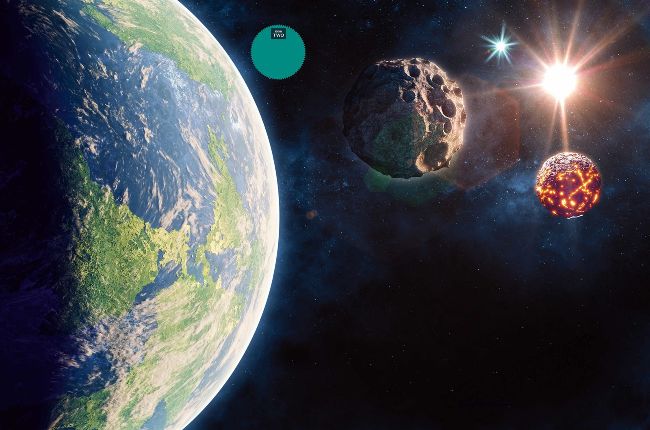
Webb may have detected traces of water in the gas giant WASP-18b’s atmosphere
ILLUSTRATION: MAGIC TORCH

BBC TWO

Watch Prof Brian Cox’s new series The Planets, coming soon to BBC Two. Check Radio Times for details.

It has been just 18 months since an Ariane 5 rocket launched the James Webb Space Telescope into space. A collaboration between NASA, the European Space Agency (ESA) and the Canadian Space Agency, Webb has been widely touted as the successor to the Hubble Space Telescope. Indeed, it possesses observational capabilities that the astronomers who launched Hubble back in 1990 could only dream of.

Yet even as Webb shot into space on 25 December 2021, the astronomers watching it were already dreaming of the telescope that might succeed it. This was because they already knew the extent of Webb’s potential: the size of its mirror, the wavelengths it could observe and the capabilities of its instruments.

“Even before it was launched, we were like, ‘we need this other telescope that’s going to be bigger,” says Sarah Rugheimer, professor of astrophysics at York University, Toronto, Canada.

Big telescopes take a long time to develop – decades in most cases – and so planning starts early. “You don’t just wait to see what happens with a telescope like Webb because you already know, theoretically, what some of its limitations will be,” says Rugheimer.

In her field of astrobiology, Rugheimer is interested in looking for signs of life on planets orbiting stars other than our own. The best way to do this is to isolate the light from these exoplanets and analyse it for gases that may betray extraterrestrial metabolisms at work. Webb is able to do this for larger, gaseous planets, but those aren’t the ones where we expect life to exist. Astronomers believe that rocky Earth-sized planets are much better targets. But as powerful as Webb is, it doesn’t have the light-gathering ability to do this type of analysis for more than about five of these kinds of planets.

“When you’re thinking about finding life in the Universe and you ask someone, ‘Well, how many planets would you look at?’ They’re not gonna say five. They’re gonna say hundreds or more,” says Rugheimer.
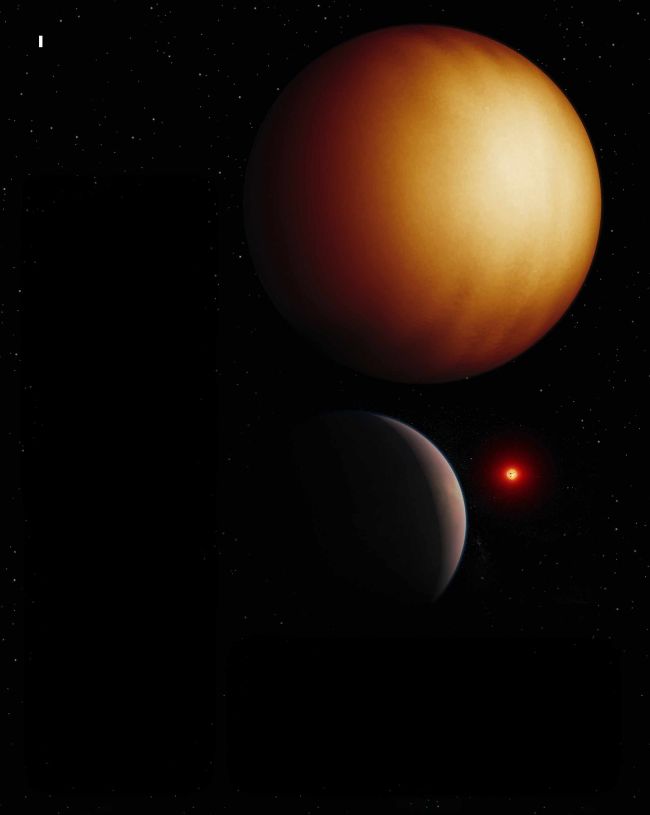
Exoplanet GJ 486 b (illustrated here), may have an atmosphere that contains water vapour
NASA/ESO, SHUTTERSTOCK, BRET HARTMAN

So, when it comes to searching for life on exoplanets, Webb is a testing ground for a successor telescope that will be bigger and better.

Unlock this article and much more with
You can enjoy:
Enjoy this edition in full
Instant access to 600+ titles
Thousands of back issues
No contract or commitment
Try for 99p
SUBSCRIBE NOW
30 day trial, then just £9.99 / month. Cancel anytime. New subscribers only.


Learn more
Pocketmags Plus
Pocketmags Plus

This article is from...


View Issues
BBC Science Focus Magazine
September 2023
VIEW IN STORE

Other Articles in this Issue


Editorial
FROM THE EDITOR
COVER: MAGIC TORCH THIS PAGE: WILL AMLOT, ALAMY,
REGULARS
Fire and water
BOCA CHICA, TEXAS
Feathering the nest
ANTWERP, BELGIUM
Tomatoes off the vine
WAGENINGEN, NETHERLANDS
FEEDBACK
YOUR OPINIONS ON SCIENCE, TECHNOLOGY AND OUR MAGAZINE
SCIENTISTS UNCOVER HOW YOUNG BLOOD REJUVENATES AGEING BRAINS
NEUROSCIENCE
NEW STUDY FORCES RETHINK ON HOW THE HIMALAYAS BECAME SO TALL
GEOLOGY
SCIENTISTS A STEP CLOSER TO DECODING THE CREATIVE PROCESS
NEUROSCIENCE
COLOSSAL EXTINCT WHALE COULD BE THE HEAVIEST ANIMAL OF ALL TIME
PALAEONTOLOGY
WALKING JUST 5,000 STEPS A DAY IS ENOUGH TO LOWER YOUR RISK OF DEATH
MEDICINE
SEE THE WINNING IMAGES FROM THE ECOLOGY AND EVOLUTION PHOTO COMPETITION
NATURE
REPRODUCTION IN SPACE
HORIZONS
THE SECRET TO COMEDY MAY BE A BUSY JUNCTION IN YOUR BRAIN
COMMENT
THERE’S A MONSTER IN OUR BACK YARD, BUT IT’S NOTHING TO WORRY ABOUT
COMMENT
THINKING OF SEXUAL DESIRE AS AN ON/OFF SWITCH ISN’T HELPING ANYBODY
COMMENT
GROUP EXERCISE: WHY WORKING OUT WITH OTHERS COULD BE THE KEY TO GREATER FITNESS
REVIEW
TECH-FREE BREAKS: A NEW WAY TO BEAT BURNOUT?
REALITY CHECK
20MPH SPEED LIMITS: GOING SLOWER SAVES LIVES IN CITIES
REALITY CHECK
Google Pixel Fold: The phone that’s learning to walk before it runs
REVIEW
AI is helping scammers try to trick you. Here’s how you can stop them
INTERVIEW
Ideas we like…
Our pick of the month’s smartest tech
SAVE 40%
WHY DO MUSICIANS PULL SUCH WEIRD FACES WHEN THEY PLAY?
DONALD HODGES, VIA EMAIL
ARE THERE ANY NATURAL SLUG REPELLENTS?
LORNA ANDERSON, BIRMINGHAM
WHAT IS A RAINBOW TREE?
LESLIE WILLIS, SALFORD
PURPLE FROG
NATURE’S WEIRDEST CREATURES
THE GREAT SQUARE OF PEGASUS
WHEN: LATE AUGUST – MID-SEPT-OCT 2023
HOW ARE UNDERWATER CROP CIRCLES MADE?
JERMAINE REYES, VIA EMAIL
HOW MANY PEOPLE WOULD A TYRANNOSAURUS REX HAVE TO EAT TO SUSTAIN ITSELF?
MARIYAH SILVA, LISBON
WHY DO PUMPKINS GROW SO BIG?
JONNY MALONE, OHIO
HOW SURE ARE WE THAT FUSION REACTORS WILL ACTUALLY WORK?
JACQUELINE BURTON, WORCESTER
Digging for dinos
WHY DO I GET A LUMP IN MY THROAT WHEN I’M ABOUT TO CRY?
LOUISE WILSON, CUMBRIA
HOW CAN YOU SPOT A DEEPFAKE?
VICTORIA SHIELDS, VIA EMAIL
IS IT TRUE THAT AFRICA IS SPLITTING IN TWO?
CHRISTIAN BARKER, VIA EMAIL
THE EXPLAINER THE BRAIN
EXPLORE THE WONDERS OF YOUR GREY MATTER, THE ORGAN THAT MAKES YOU YOU
CROSSWORD
PENCILS AT THE READY!
NEXT ISSUE
HOW TO SPOT A LIAR The new psychological
Could an AI really beat humans in a real-life war?
There’s no need to worry about a robot uprising. We can always just pull the plug, right…? RIGHT? 
DISCOVERIES
DISCOVERIES
“The time has come to pursue platelet factors in brain health and cognitive enhancement”
FEATURES
WHAT ’S FOR DINNER?
Despite being a nutritious and sustainable food source, insects have yet to find their way onto our plates in a significant way. But these farms in Italy have found another, more palatable, way to use the protein in bugs: by turning it into animal feed
ALTERING REALITY… INSIDE AND OUT
Psychologists are exploring ways of treating mental health disorders by combining psychedelics and virtual reality
Chat
X
Pocketmags Support