NICK LOWERY, VIA EMAIL
HOW ARE IDENTICAL TWINS CREATED?
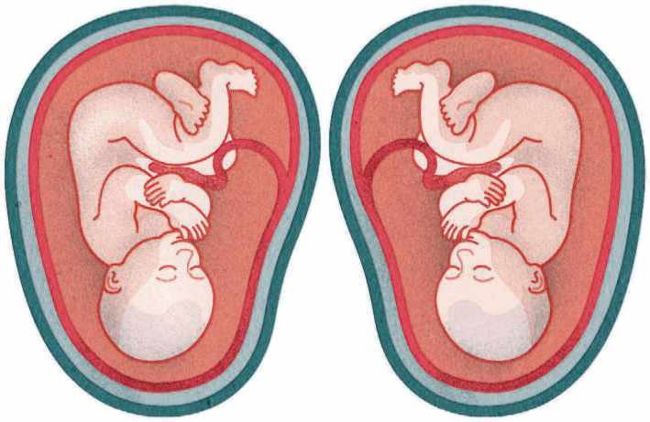
IDENTICAL OR FRATERNAL TWINS TWO PLACENTAS, TWO AMNIOTIC SACS
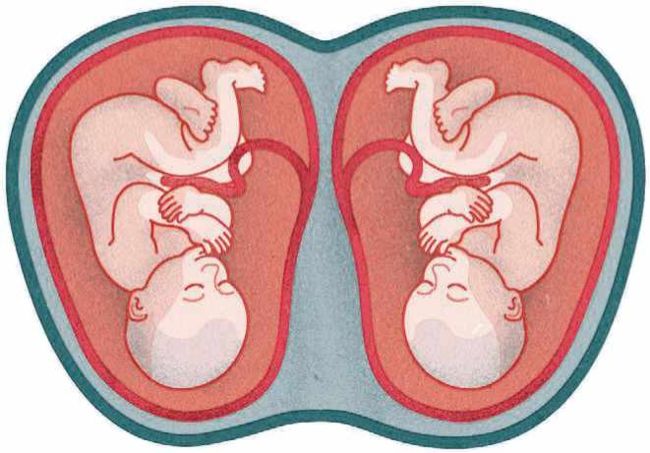
IDENTICAL TWINS ONE PLACENTA, TWO AMNIOTIC SACS
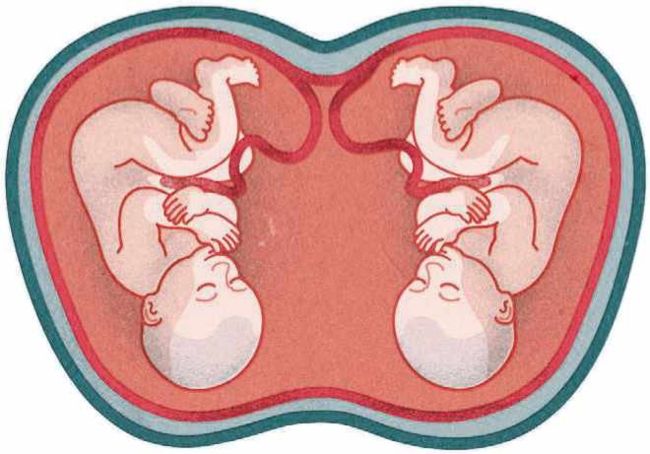
IDENTICAL TWINS ONE PLACENTA, ONE AMNIOTIC SACS
First off, a refresher on identical and non-identical twins. Identical twins share the same genes, whereas non-identical twins only share some of the same genes from each parent – in the same way that siblings do. For these reasons, identical twins are always the same biological sex, while non-identical twins can be different sexes. But, while it’s generally understood that identical twins develop from a single egg (and non-identical twins from two eggs), the finer details of how this egg splits remain somewhat mysterious. It’s difficult to study splitting inside the human womb without risk to the embryos, but the thinking is that the bundle of cells (or blastocyst) formed from the fertilised egg splits in two during the first week. Exactly when it splits is thought to determine whether the two embryos share a placenta, or each has its own.