LOOKK BACKK
Feature Flikkers -Bealtaine -Exhibition
Before Mother or Panti Bar, before Street 66 or The George, when Dublin’s queer community in the 1970’s and ‘80s were hungry for a place to come together, they came to Flikkers. Ethan Moser looks at a very special project taking place as part of this year’s Bealtaine Festival.
Ethan Moser
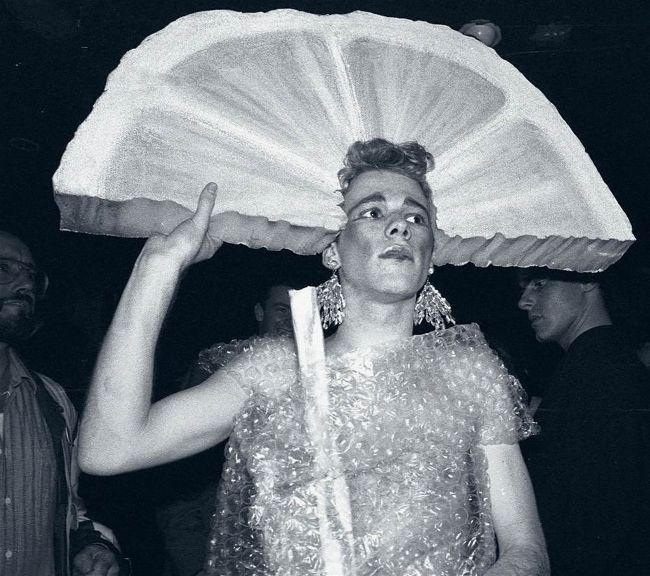
Archive photos by
Sean
Gilmartin.
Located in Dublin’s Hirschfeld Centre from 1979 until the building was destroyed by a fire in 1987, Flikkers Disco offered Dublin’s queer community one of the only places where gay, lesbian, and Trans folks could gather at a time when not only were certain identities deemed illegal under Irish law, but when the ongoing HIV/AIDS epidemic was leading to a compounding of stigma around their lives.
While Flikkers saw its impromptu end in the late ‘80s, artist and activist Francis Fay is partnering with Outhouse and the Project Arts Centre to bring the legendary nightclub back to life with Flikkers Revisited: Come as You Were.
A brand-new art initiative, Flikkers Revisited will make its grand debut as part of Age and Opportunity’s Bealtaine Festival 2022. As part of it, Fay is working side-by-side with documentary filmmaker Julieann O’Malley to compile a series of videos documenting anecdotes from queer folks who attended Flikkers during its heyday. The video project, once completed, will be shown during the festival alongside photographs and ephemera from Flikker’s history.
To top off the revival, Fay plans to host a one-night-only Flashback Ball event featuring special guest DJs from Flikkers’ past recapturing the club’s magic and charm by spinning smash hits from the time.
When discussing his motivations behind bringing Flikkers back to the forefront of Dublin’s queer culture more than 30 years after its final night, Fay shared, “I want this work with Bealtaine to be the start of a conversation about this generation and how it thrived during the ’80s despite HIV, AIDS, resection, emigration, and how that generation have stories that need to be told… It’s to give this age group a voice and a presence and for their historical and social experiences to be acknowledged and shared.” Fay explained this was “when people just going out to a club was a political act, just congregating was a political act, basically socialising with like-minded people was a political act.”