GB
  
You are currently viewing the United Kingdom version of the site.
Would you like to switch to your local site?
17 MIN READ TIME

LOU REED

WILD SIDE

After Lou Reed’s Berlin concept album bombed, guitarists Steve Hunter and Dick Wagner helped him get his groove back. The result was Rock ’n’ Roll Animal, the live classic that redeemed his spirit and saved his career.

THE LATE LOU Reed took his walk on the wild side in 1972. But he didn’t become an animal — a rock ’n’ roll animal, to be specific — until the following year.

Recorded on December 21, 1973, before an audience at Howard Stein’s Academy of Music in New York City, Rock ‘n’ Roll Animal was no mere stopgap or contract-fulfilling release. In its definitive performances and forceful renderings of the material, mostly from Reed’s tenure with the Velvet Underground, it had all the conceptual integrity of a studio album. It documented an artist presenting his songs in a fresh manner, using the original versions as source material upon which to build and reinterpret, in this case with the help of an enormously potent band of genuinely animalistic caliber, led by guitarists Steve “The Deacon” Hunter and Dick Wagner.

And while the Allman Brothers Band’s At Fillmore East and the Rolling Stones’ Get Yer Ya-Ya’s Out planted a flag for the live album as a legitimate artistic effort, Rock ’n’ Roll Animal and its Goldcertified success certainly deserves some credit for a mid-’70s spike that included breakthrough live releases for Peter Frampton, Kiss, Cheap Trick, Lynyrd Skynyrd and others.
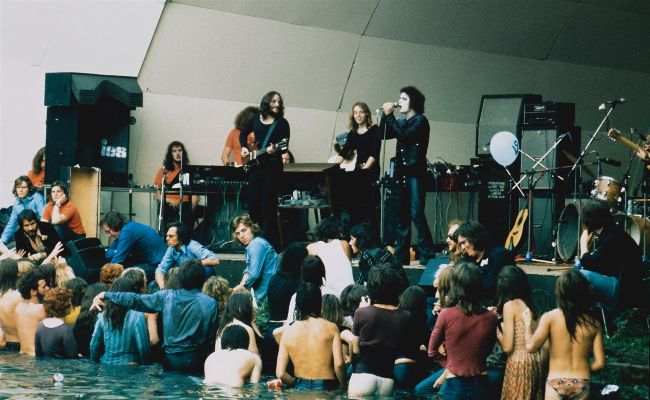
MICHAEL OCHS ARCHIVES/GETTY IMAGES

Rock ’n’ Roll Animal was also something of a career saver for Reed. While his third solo album, Berlin, would eventually come to be regarded as a seminal song cycle/concept album, its unrelenting darkness did not connect with listeners at the time. His label, RCA Records, heard no potential in it — certainly not as a follow-up to the previous year’s Transformer and its Top 20 hit, “Walk on the Wild Side” — and gave the record no support despite a Rolling Stone review declaring it “The Sgt. Pepper of the Seventies.” Berlin was savaged by most critics, and even the burgeoning FM radio stations weren’t about to play its songs about heroin addiction. Released on October 5, 1973, while Reed and the
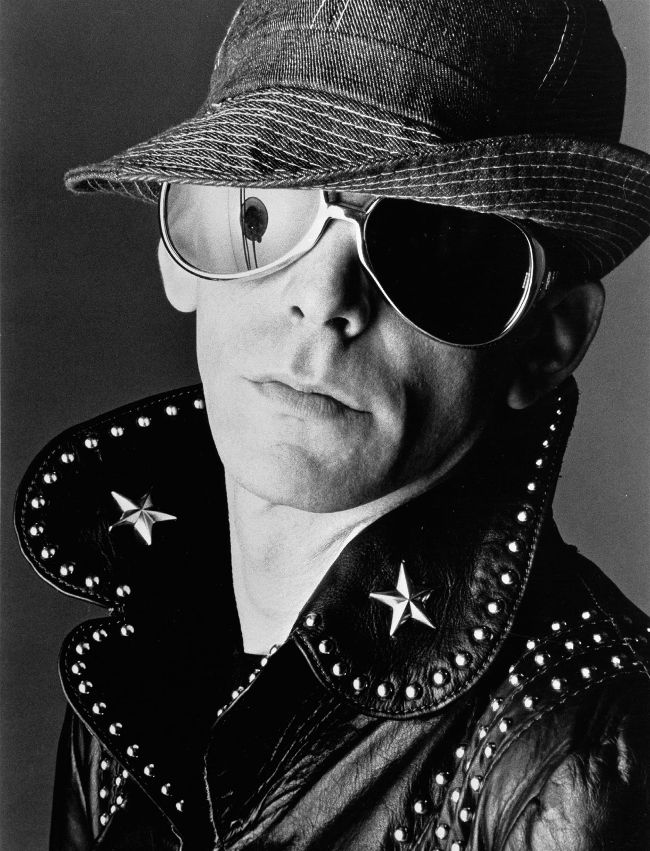
OPENING PAGE: Reed poses for the cover of 1975’s Lou Reed Live, which features additional songs from the show captured on Rock ’n’ Roll Animal.
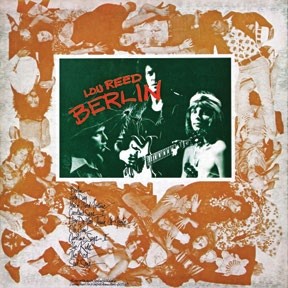
and Rock ’n’ Roll Animal.
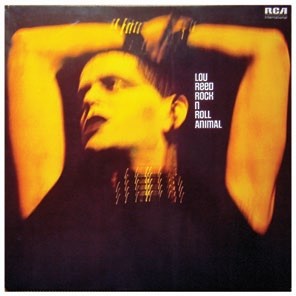
The covers for Berlin
DAVID REDFERN/REDFERNS/GETTY IMAGES

Rock ’n’ Roll Animal band were near the end of a European tour, Berlin peaked at number 98 on the Billboard 200, some 69 points lower than Transformer.

There had even been plans to stage Berlin, initially conceived as a double album, as a musical, but those went unrealized as well. “I had my thoughts that if RCA marketed Berlin and put a single-edge razor blade in the cellophane, it would probably have done better,” cracks Steve Katz, the founding guitarist of the Blues Project and Blood, Sweat & Tears, whose brother Dennis was managing Reed at the time. It was this connection that would lead to Katz producing Rock ’n’ Roll Animal.

Read the complete article and many more in this issue of Guitar Player
Purchase options below
If you own the issue, Login to read the full article now.
Single Digital Issue June 2024
 
£6.99 / issue
This issue and other back issues are not included in a new subscription. Subscriptions include the latest regular issue and new issues released during your subscription. Guitar Player

This article is from...


View Issues
Guitar Player
June 2024
VIEW IN STORE

Other Articles in this Issue


FROM THE EDITOR
OUR TRESPASS AND SYNERGY
SOMETIMES IT FEELS, even to me, that an
NEW & COOL
KUSTOM KULTURE
ToneLounge launches the Shoreline TVL and 2TV with a nod to the past and an eye for the present.
ALBUMS
EYE ON THE PRIZE
Erstwhile blues-rocker Hannah Wicklund finds her true self with an album of songs she calls “the most authentic I’ve ever written.”
TIPSHEET
TIP SHEET
Think effects are a crutch? Reeves Gabrels has a few choice words (and good advice) for you.
MEET YOUR MAKER
KLOS UP
Klos co-founders Adam and Ian Klosowiak are all in on creating an array of carbon-fiber instruments fit for an adventurous lifestyle.
FIVE SONGS
MY CAREER IN FIVE SONGS
“More cowbell!” Buck Dharma reveals the origins of “(Don’t Fear) The Reaper” and four other Blue Öyster Cult classics.
COLUMNS
The Knockoff That Became a Knockout
Forced to stop copying U.S. guitars, Ibanez launched the all-original Artist line and took America by storm.
Steel of a Deal
Jerry Byrd’s Steel Guitar Favorites packs a heap of American styles in one outstanding disc.
Italian Dressing
A sparkly accordion-style finish provides the crowning touch on this 1964 Welson Kinton V3.
PLAYERS
‘I PLAY LESS NOTES THESE DAYS, BUT THEY ALL MEAN A LOT MORE’
On Broken, Walter Trout packs his licks for maximum impact as he testifies to the hope that can save our divided world.
WATER UNDER THE BRIDGE
As he releases One Deep River, Mark Knopfler reflects on the guitars he’s loved, the music that keeps his passion youthful… and how he’d like a do-over on that Dire Straits Rock Hall induction.
YOUR INFLUENCES STICK WITH YOU
Scott Henderson spent lockdown training his ears and building improv skills. As Karnevel! shows, his jazz chops flourished, but his blues-rock roots remain as strong as ever.
'THE BUILDING BLOCKS OF OUR BAND IS TWO GUITARS'
Sleater-Kinney were making bass-less records long before the White Stripes and the Black Keys came along. Says co-leader Carrie Brownstein, “The power comes from the conversation the guitars are having with each other.”
FRETS
UNCOMMON FOLK
He grew up in a folk music haven. As he celebrates his latest album, Wide Open Light, Ben Harper shares sights and memories of his childhood home.
LESSONS
INTO THE GROOVE
As she relentlessly brings the funk, Ella Feingold is all about her rhythm chops.
Be Your Own Bassist
Going deep with the Boss Octave’s Poly mode.
GEAR
KEELEY
Angry Orange, Blues Disorder, Muse Driver and Super Rodent
REVEREND
Chris Freeman Signature
FENDER
70th Anniversary Ultra Stratocaster HSS
MACKIE
ShowBox All-in-One Performance Rig
HOW I WROTE
How I Wrote… “Pulling Mussels (From the Shell)”
“White Punks on Dope”? Glenn Tilbrook reveals the unlikely history behind Squeeze’s 1980 U.S. breakthrough.
Chat
X
Pocketmags Support