RANDY JACKSON
Forgotten heroes of 1980s rock, power-trio Zebra — led by singer/guitarist Randy Jackson — kept the spirit of Zeppelin, Hendrix and Cream alive. These days,family man Jackson is busy shaping up the group’s first album in two decades
By Joe Bosso
ZEBRA’S FIRST
Zebra (1983)
ZebraIV (2003)
ZEBRA’S LATEST
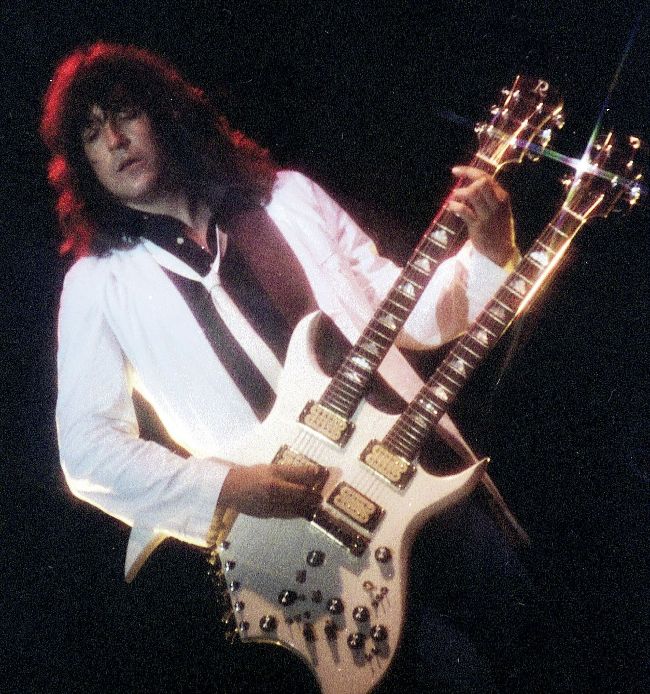
Zebra’s Randy Jackson with his B.C. Rich doubleneck in New York City, 1983. “My favorite B.C. Rich Mockingbird got stolen,” he says. “I never got to record with it…”
MICHAEL OCHS ARCHIVES / GETTY
BY THE EARLY Eighties, Zebra had their ground game covered. Since forming in 1975, the hard rock trio comprised of singer-guitarist Randy Jackson, bassist Felix Hanneman and drummer Guy Gelso spent the better part of a decade playing the concert halls of their home base in New Orleans and in their adopted home of Long Island. In the days before the internet could turn artists into overnight online stars, the hardgigging band had amassed a significant and loyal following the old-fashioned way, playing shows three, four and sometimes five nights a week. And things were paying off.
“It was all through word of mouth,” Jackson says. “We’d play a show for a hundred or so people, and they’d go and tell their friends about this band they’d seen. The next time we’d play, we’d have double the number of folks at the gig. It just got bigger and bigger.”
By Jackson’s own admission, Zebra weren’t doing anything especially cool or revolutionary at the time; in fact, their setlists — healthy doses of Led Zeppelin, Yes, Jethro Tull and Pink Floyd, along with proggy, metallictinged originals sprinkled throughout — stood in stark contrast to the high-fashion synth-pop acts that dominated MTV. Despite their impressive live drawing power, the band couldn’t get arrested when it came to label interest. They were seen as Seventies throwbacks, perilously out of step with current trends, and they were turned down by every record company around — multiple times, in some cases. Undeterred, the guys kept gigging away.
“I guess if we weren’t going so well locally, we would have gotten discouraged,” Jackson says. “We saw lots of other bands that couldn’t get signed, and they broke up because they simply didn’t have an audience to sustain them. We had our own thing going on. We could support ourselves. We bought houses. Other bands needed a record deal to keep going, but for us, it wasn’t a necessity.”