INSIDE INTENSIVE CARE
WHEN THE LINE BETWEEN LIFE AND DEATH BECOMES DANGEROUSLY FINE, HOW DO THE PEOPLE AND MACHINES IN HOSPITALS AID YOUR BODY’S BATTLE?
Words by Ailsa Harvey
How long would we last without healthcare? What would we do without a number to call when we are reminded how fragile life can be, or a place to go with the confidence that we will receive the best possible care from a team of professionals who know our bodies inside out? While every area of a hospital has the improvement of health at its core, there is one department that elevates the emotion, urgency and stakes of every action to a much greater level. This is the intensive care unit (ICU).

Consultant doctors work with their team to draw conclusions about every patient
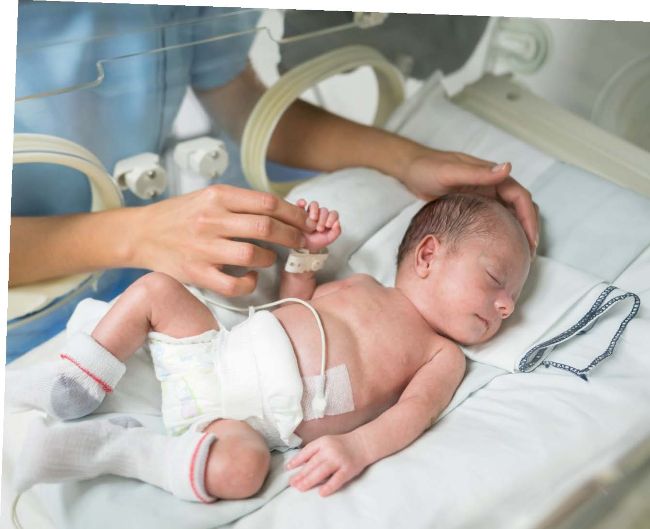
Ten per cent of babies are born prematurely
Intensive care units, otherwise known as critical care units, are special wards within hospitals where patients with life-threatening conditions can be monitored and treated. People who qualify for ICU admittance are those whose conditions are unstable. They need to be monitored constantly to ensure that any changes are noticed and acted upon before irreversible damage is done.
It’s a place nobody outside of the medical profession wishes to find themselves. Whether you are the patient yourself, relying on the tubes and machines that are taking on the role of your organs, or a visitor who can only sit at a bedside and hope that your loved one will pull through, the ICU is an undoubtedly gruelling environment. To an onlooker, the turn of every corner can overload the senses. The chaotic combination of mechanical beeps, frantic alarms and intense bedside operations are in stark contrast to the people lying still on their beds in occasional periods of eerie silence. Who knows what the next few seconds will bring?
For the various patients occupying these high-priority beds, the cause of their admission may be just as unexpected, while others might have been anticipating it, having experienced their bodies’ slow decline. Critical care follows for a range of reasons: some come straight from the operating room after undergoing major surgery; some are escorted there from the scene of an accident who may have severe burns, broken bones or organ failure and some are monitored after a serious short-term condition such as a heart attack or stroke.