12 scientists who changed the world
They’re not as famous as Darwin or Curie, but the achievements of these heroes made our lives better today
Word by Scott Dutfield
Zapping cataracts with lasers
Patricia Bath 1942-2019
Sight is one of our most treasured senses, but as we grow older our ability to see can become compromised for a multitude of reasons. One common age-related optical ailment is the development of cataracts. At the forefront of each of our eyes, a glass-like lens allows the image of the outside world to be projected into our brains. As we age the proteins that make up that lens can slowly break down and turn a once crystal-clear lens cloudy. In turn the projected image can no longer be seen in such clarity, but instead appears foggy, or in extreme cases is shrouded in darkness.
DID YOU KNOW? In 1823 Alexander Lucius Twilight was the first African American to graduate from a college in the US
Inside the eye
How Bath’s method used lasers to blast away a cloudy cataract
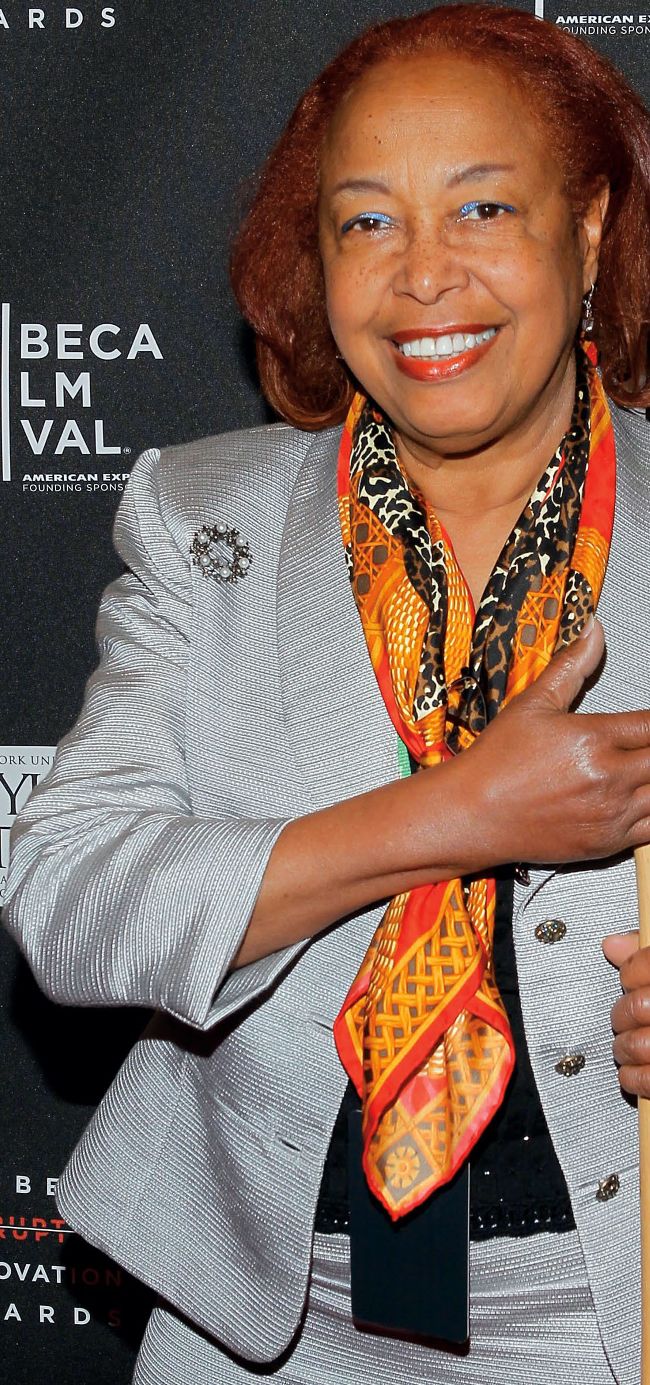
Patricia Bath was the first African American to complete a residency in ophthalmology, the diagnosis and treatment of eye disorders
Some form of treatment for the condition has been around since the 5th century BCE. However, over the centuries the methods of removing, replacing and obliterating the cloudy build-up have evolved. One particular medical breakthrough occurred in 1986 after Patricia Bath invented the Laserphaco Probe. Up until then it was common practice to insert a needle into the eye to reach the lens, and then an ultrasound probe was used to break apart the cloudy cataract. However, Bath developed a novel way to remove the cataract using lasers to replace the ultrasound, with the ability to conduct the surgery with greater accuracy and better results. Bath had perfectly demonstrated what was thought to have been impossible in her work, which shocked the scientific community. Two years after the invention of the Laserphaco Probe, Bath gained a patent for her creation, not only cementing herself as a pioneer among ophthalmologists, but also becoming the first African-American female doctor to receive a medical patent.