SPACE & PHYSICS
‘Magnetic anomalies’ may stop the Moon’s ice from melting
WORDS BRANDON SPECKTOR
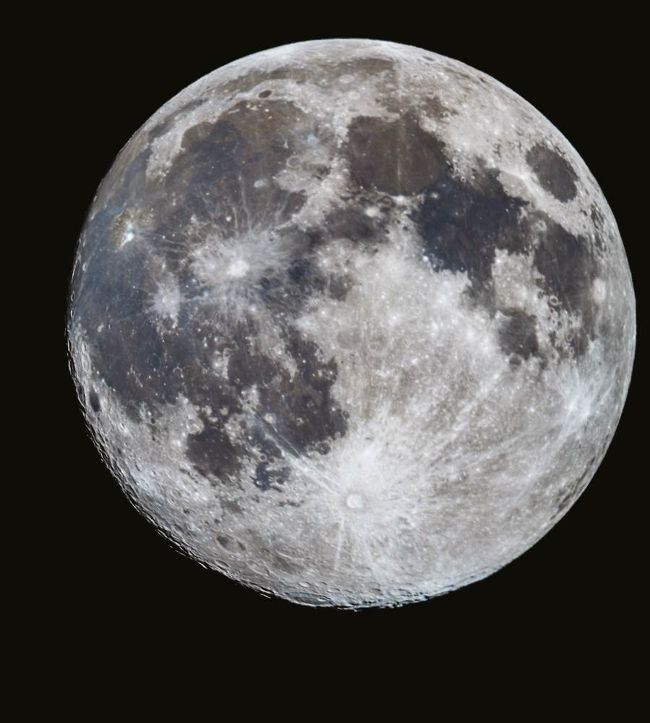
Large craters sit in permanent shadow at the Moon’s south pole
In 2018, NASA astronomers found the first evidence of water ice on the Moon. Lurking in the bottom of pitch-black craters at the Moon’s north and south poles, the ice was locked in perpetual shadow and had seemingly survived untouched by the Sun’s rays, potentially for millions of years. The discovery of water ice came with a fresh mystery, however. While these polar craters are protected from direct sunlight, they are not shielded from the solar wind, waves of charged particles that gush out of the Sun at hundreds of miles a second. This ionised wind is highly erosive and should have destroyed the Moon’s ice long ago. Unlike Earth, the Moon no longer has a magnetic shield to protect it from the brunt of these charged particles.