DESIGNER MICROBES
How altering the genes of tiny microbes can make them produce insulin for diabetics, strengthen cement and even make street lights
WORDS AILSA HARVEY
© Wikimedia Commons/Lightenoughtotravel
DID YOU KNOW? Sporosarcinapasteurii can po tentially be used to solidify ground in earthquake-prone areas
Microbes are extremely versatile microscopic organisms that include bacteria and viruses. Unseen by the naked eye, they conduct chemical conversions on a tiny scale, keeping the planet alive by recycling nutrients, both causing and preventing disease, but generally playing a vital role in our living planet. Some thrive in extreme environments, while others are carried with us at all times. There are 39 trillion microbial cells covering your body, maintaining your immune system and daily processes like digestion.
Did you know?
Bacteria was the first genetically modified organism
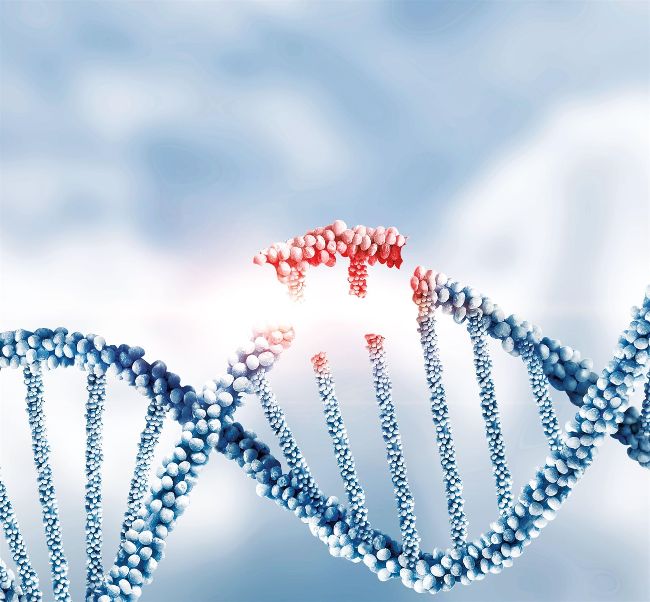
As small organisms, microbes have simple genetic structures, making them easier for scientists to study. By gaining a more thorough understanding of what different sections of DNA control within a microbe, scientists can alter them to favour certain traits. These are genetically engineered microbes – dubbed ‘designer microbes’. Microbes grow rapidly and multiply quickly. This enables desirable new genes to be mass produced. In many projects involving modified microbes, DNA from other organisms – including human DNA – can be incorporated into that of a microbe, like bacteria. When these bacteria reproduce, over time large volumes of human genetic material is generated. This can be used to produce medical treatments for people whose own cells don’t naturally produce enough of a specific biological compound in the body.