21st CENTURY BOYS
Gerry Anderson’s film-making team at AP Films were constant innovators in children’s television puppet series from the late 1950s, but trailblazed equally in licensed character tie-ins.
Under merchandising manager Keith Shackleton, APF sold the rights to a weekly comic strip of their Western series Four Feather Falls to TV Comic in 1960, followed by strips for the futuristic Supercar from 1961 and Fireball XL5 from 1962.
While successful on their own terms, Shackleton saw greater potential and in summer 1964 suggested APF produce their own comic, devoted to their puppet productions. APF’s owner Lew Grade of ATV/ITC suggested partnering with an established publisher and struck a deal with City Magazines, part of the News of the World newspaper empire, to earn a five per cent royalty and 50 per cent profits split, while City handled production and distribution.
Seasoned comics man Alan Fennell had written TV Comic’s Supercar and Fireball XL5 strips before progressing to TV scripts for Anderson, making him the obvious choice to lead the project and he produced a dummy issue over three weeks in August 1964. Aiming to usurp The Eagle as the boys’ comic of the era, he borrowed their tabloid format, production methods and, eventually, their best artists.
The comic’s innovative newspaper-style cover headlines had been Gerry Anderson’s idea, melded with Fennell’s more traditional comic approach to create something distinctive yet commercial. Keith Shackleton had devised the name Century 21 in 1962 as the working title for what became Fireball XL5, hoping to rename AP Films under this banner (which finally happened with 1966’s first Thunderbirds movie). Shackleton now proposed it as the name for this new comic venture but, with City Magazines wishing to stress the TV angle, compromised on the lengthier title TV Century 21. At launch, editor Fennell was supported by assistant editor Tod Sullivan, art editor Dennis Hooper (plus art assistants John Ayres and Peter Corri), strip script editor Angus Allan, chief sub-editor Gillian Allan (Angus’s wife) and trainee journalist Howard Elson, with scripts generally farmed out among Fennell, Hooper, Sullivan and Allan.
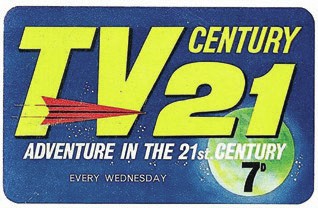
TV CENTURY 21 was the hit space-age comic of the 1960s, based around Gerry Anderson’s puppet heroes and set 100 years in the future. Alistair McGown reports via full colour videoscan…
The first issue went on sale on Wednesday 20 January 1965 – or, according to the cover date, January 2065; the gimmick of a newspaper from 100 years in the future was yet another innovation. 20 pages, eight in full colour, used photogravure printing to showcase the artwork in excellent quality. Promoted by nationwide TV adverts, priced at a relatively expensive seven pence (The Beano was then just three pence) and with a cipher-breaking ‘identicode’ free gift, issue one’s print run of 700,000 was an instant sell-out.