NOT SO IDLE ERIC
Rossa McPhillips remembers Eric Maschwitz, a songwriter, spy, Hollywood screenwriter and womaniser whose life was arguably more interesting than the programmes - including Doctor Who - and careers he helped foster...
“Must Science Fiction stories necessarily be told as 6-part serials?” someone asked in a memo to the BBC’s Head of Script Department on March 5, 1962. The author added: “Or is there any future for 50-minute complete Science Fiction playlets, either as ‘singles’ or in series?”
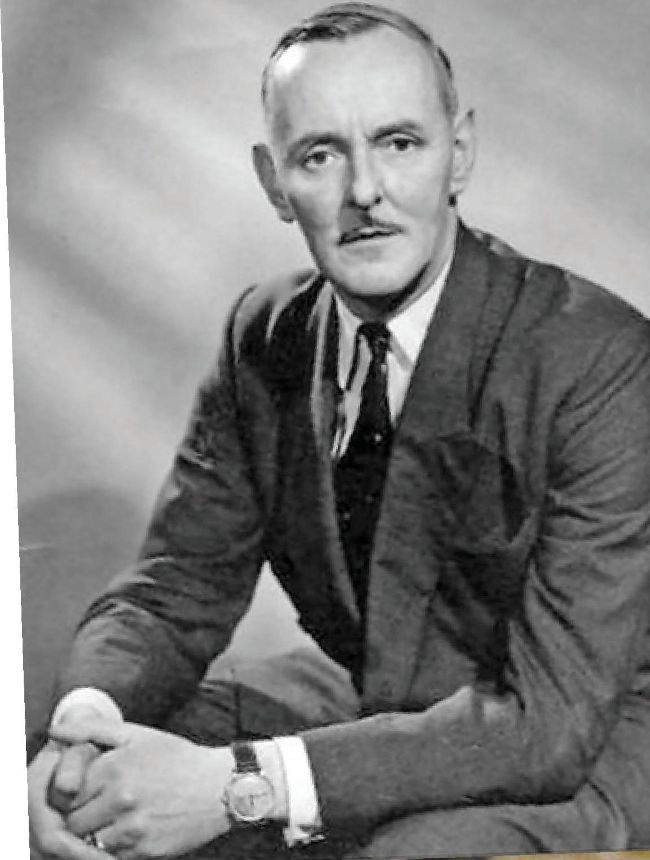
Eric in his early days at the BBC
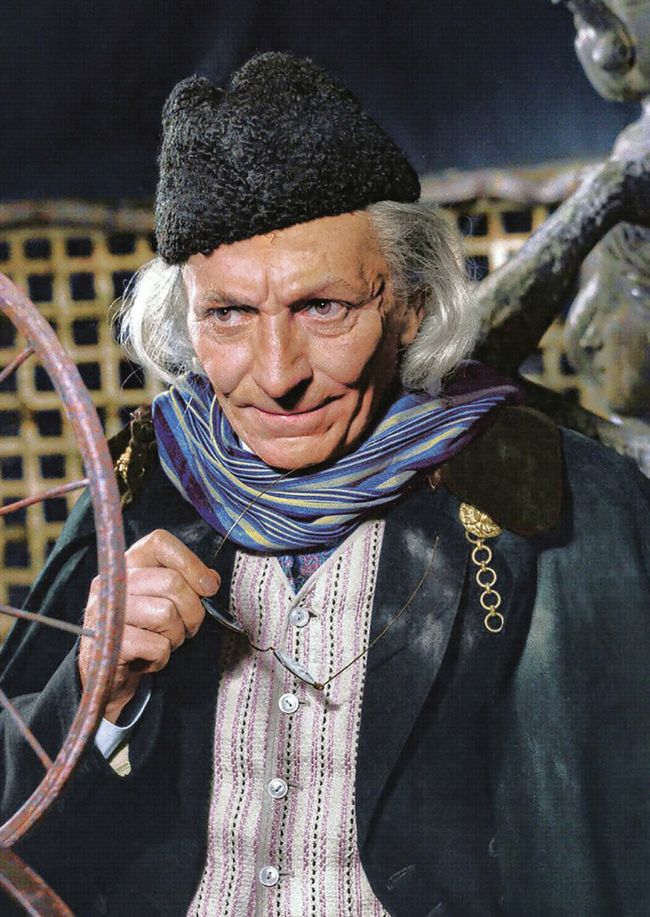
Opposite:
A rare colour shot of William Hartnell as the first Doctor Who
Weeks later, the memo’s author was told by the Script Department’s Head, “I have set up a unit in the department to study and prepare me a report on science fiction of all kinds and I will pass them your note.”
The author of the memo was Eric Maschwitz. The Head of the Script Department was Donald Wilson, a man generally regarded as the co-creator of Doctor Who (alongside Sydney Newman). Maschwitz’s memo started the ball rolling for what would become one of the longest-running science fiction TV shows of all time. As Assistant and Advisor to the Controller of Programmes, he had unique access to key decision makers and was respected throughout the corporation.
With Maschwitz’s prompting, Wilson had the Script Department’s Survey Group prepare a study on the appeal of science fiction to television. Staff members Alice Frick and Donald Bull delivered the report, which pleased Maschwitz and the upper echelons of the BBC, who requested a deeper dive. Frick prepared a second report, this time assisted by John Braydon, which homed in on the feasibility of a series dealing with time travel. The die was cast on Doctor Who, and Maschwitz played an essential role in its genesis, as he did for many shows during his career.
It is unknown why Maschwitz initially focused on science fiction, but he had a talent for grasping the Zeitgeist and getting ahead of the curve. At the time of his BBC memo in 1962, it’s likely he knew rival channel ITV were preparing a science fiction series of its own, Out of This World. It’s also likely he was aware of UK audiences’ interest in the rivalry between the great powers to get someone on the moon by the end of the decade. The success of Quatermass serials in the 1950s may have also been a contributing factor.