Project management guide: Building routes
In the second part of this series, Mike Hardwick looks at the different ways of self building and what might be right for you
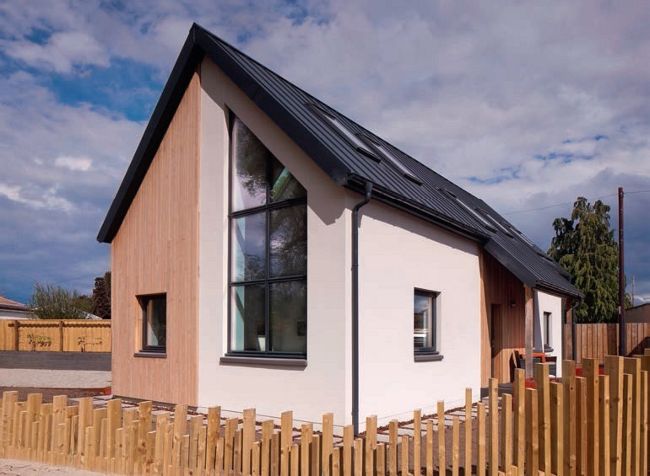
Caber House (
www.caberhouse.co.uk) offers everything from kit supply all the way through to a fully managed project
Building a home for yourself comes with a huge range of options, and this rings true for the route you take to construct it. Understanding which one will work best for you will be vital for deciding who should take on the role of project manager.
When the government got involved with promoting self build, they were confused by the fact that most people didn’t actually take on all that much themselves, with many preferring to hire skilled professionals to do the work. This led to the introduction of the term custom building and with it, a wide spectrum of options, ranging from those intrepid souls who do all the work they possibly can, through to those that would rather transfer the risks to others. The right place for you will invariably be a balance between your own budget constraints, your available time and your attitude to the risks involved. Here I’ve summarised the various ways to build your home.
DIY
There are some hardy souls out there who construct their properties on a shoestring by undertaking virtually all the work themselves. These projects are labours of love and won’t be quick. It’s not for everyone – if you don’t have the skills and knowledge necessary to make it a success, you will end up with a poorly made house that looks awful and doesn’t work very well. But, if you are a keen DIY-er, or have been in the construction world before and understand the processes, this could be the cheapest route. Around 8% of self builds are constructed this way; some couples who embark on this journey might even still be together by the end of it. If you have the time, know-how and motivation to pursue this route, the financial benefits will be high, but so are the risks.