HOW TO CHOOSE THE RIGHT ARCHITECT
Finding a suitable professional to develop your home’s scheme is one of the most important decisions you’ll make in a project. Here are architect Julian Owen’s top tips on what to look for in a good designer
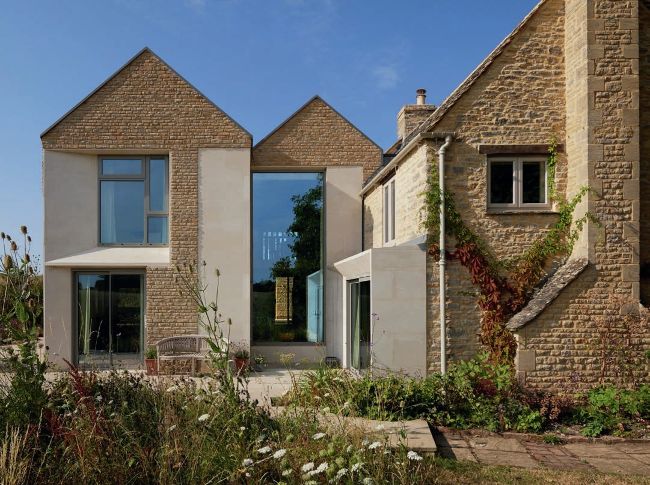
The team at Adrian James Architects (
adrianjames.com) have preserved and upgraded this 18th century home in the Cotswolds, as well as adding a striking extension that is respectful in form and materials
FISHER STUDIOS
If you want a first-class design for your home, then engaging an architect could be the best route forward. However, they do a lot more for you than drawing pretty pictures for your planning application. A good architect has the skills to deal with the council’s rules and regulations, ensure that the design is practical and cost-effective, find the best local builders, and manage the construction on your behalf.
As they create a design, they can predict the likely effect that every decision will have later on during the process. Engaging a professional with this depth of knowledge and insight will ensure a successful project and the benefits will easily cover the cost of their fees. They don’t just need to be top experts, however – they must also be the right fit for your individual project. Here are five steps to help you find a great architect.
1 Understand the difference between design professionals
In the UK, you can’t describe yourself as an architect unless you are on the government register, which is maintained by the Architects Registration Board (ARB, www.arb.org.uk). You can check if someone is fully qualified by going on the ARB website directory. Some architects are also members of the Royal Institute of British Architects (RIBA, www.architecture.com) and call themselves chartered architects, but this is optional.
Architectural Technologists have shorter training, with the main emphasis being on practical construction. Their title is not protected, but most belong to the Chartered Institute of Architectural Technologists (CIAT, www. architecturaltechnology.com). Both the RIBA and CIAT have online directories where you can find their members’ practices. Anyone, regardless of their qualifications, can call themselves an architectural designer, architectural consultant, or similar. So, if you’re thinking of using one of these, it’s important to do thorough research to ensure that they have the appropriate training and experience.