Underfloor heating
If you are considering installing underfloor heating, read Sophie Vening’s guide to how it works, how much it’s likely to cost and the installation process involved
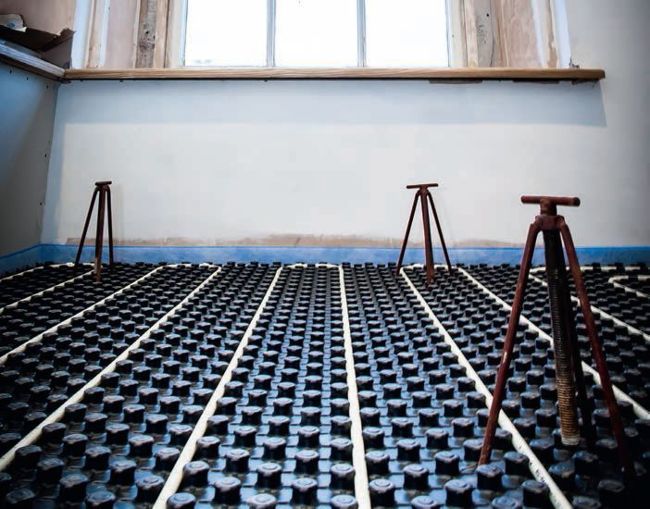
Nu-Heat’s super slim LoPro range makes UFH simple to install in virtually any project. It adds as little as 15mm in terms of height build-up
Underfloor heating (UFH) is often chosen because, as the name suggests, it’s hidden beneath your floor covering. This allows for clean lines and an open flow throughout your home that is uninterrupted by radiators. It also frees up wall space, which gives you the feeling of extra room, too.
UFH works really well with renewable technology such as heat pumps because it works at a lower temperature than a standard radiator system (around 27ºC-31ºC). This means an energy efficient setup and less demand on your boiler for a similar, if not better, level of comfort.
Wet vs electric systems
There are two types of underfloor heating to choose from – wet and electric. The latter is typically easier to install and is ideal for retrofit scenarios, whereas the former tends to be more complicated and costlier to fit. However, a wet underfloor heating arrangement works out more efficient and cheaper to run than the alternative.
A wet UFH setup features pipes filled with warm water. It is powered by a boiler or heat pump, which circulates the water throughout the floor to warm the space. This network is concealed within the floor structure, usually embedded within a screed. This helps keep the system in place and ensures the flooring surface is even.