Getting the best out of brickwork
From choosing the right product to working out how to lay the material and what mortar to use, Sophie Vening’s helpful guide reveals all you need to know about specifying bricks for your project
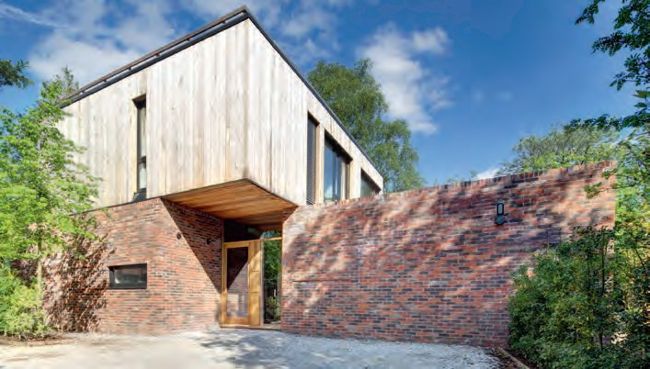
This project by architects GA Studio matches the characterful Borrowdale blend from Lancashire Brick & Tile with the natural tones of modern vertical timber cladding
There’s something quite special and innately charming about using a centuries-old building technique to create a modern home or extension – and there’s no doubt us Brits love the solidity and character of brick. “One of the things I like the most about bricks is that they have an immediate human scale”, says architect Richard Gill of Paul Archer Design. “You can see that the building has been put together by hand.” So, what do you need to consider to ensure you specify the right material and design for your scheme?
Selecting bricks
There are two basic varieties of brick: machine-made (either moulded sticks or extruded and wirecut); and handmade (thrown by hand in individual moulds). Both come in a wide selection of colours, textures and effects and are subject to the same testing and certifications. You can even source some machine-made bricks thrown into the mould to replicate the texture of handmade versions.
If you’re working on a barn conversion, traditional renovation or period-style self build, handmade bricks will offer authentic charm. But if you desire a cleaner, smarter, smoother finish, machine-produced extruded or wire-cut units will suit as they’re more uniform in shape.