NOW & THEN
NOW THAT ’ SW HAT I C ALLM USIC! WA S M ANYPEOPLE’ SI NTRODUCTIONTOC HART M USICW HENTHEYW EREY OUNG. C LASSICPOPTRACESTHESTORY O FTHEBIGD ADDYO FA LLC OMPILAT I ONSERIES. . .
PAUL ENGLISH
© Alamy
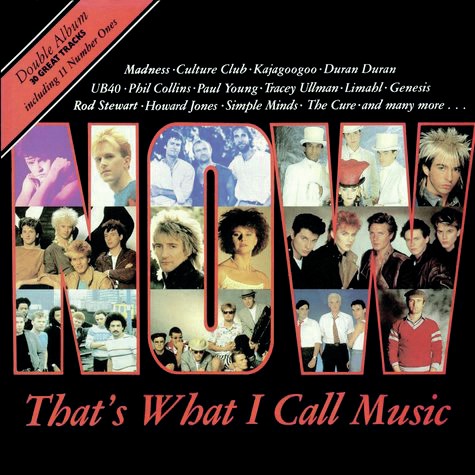
The first volume of Now That’s What I Call Music was released on 28 November 1983 and included Phil Collins, Duran Duran, The Cure and The Human League
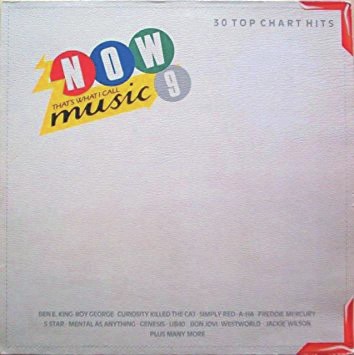
The Now That’s What I Call Music! brand is quite simply a phenomenon. Initially launched by EMI and Virgin in November 1983, it’s currently at volume 112 with spin-offs and other series bringing the total number of releases well past the 250 mark.
Right from the beginning, Now… looked different to other compilations with its liner notes, artist photographs and generally luxurious feel.
For many people, these releases are totally tied to nostalgia. They represent the building blocks of a record collection with their contents exposing young listeners to a wide variety of music hanging together in a logical sequence. The person responsible for this was Ashley Abram, who in 1983 was creating compilations for Ronco, and joined the Now team just before the second volume. He remembers those early days: “The first Now album had the whole year to choose from but there was only a limited period of time to compile Now 2 and a more limited pool of tracks. Now 1 had cleared big names like Rod Stewart and Genesis and coupled them successfully with current pop acts and we felt it was important to do this for the follow-up. We managed to get David Bowie and Eurythmics who’d refused permission for the first one and ended up striking a deal with Queen on the agreement that they would appear in the TV ad and be the first track on the album. On the basis that it would encourage other ‘superstar’ acts, Virgin and EMI went to great lengths to clear The Rolling Stones and Paul McCartney for Now 2 as well.”
SOUNDS OF SUMMER
After a hugely successful summer with Now 3, a new rival entered the market which meant that CBS and WEA started to refuse tracks for the next instalment of Now, instead keeping them back for their own compilation, The Hits Album. However, Now 4 sold a million copies and, in addition to the regular vinyl and cassette, also came out as a 15-track CD, which now sells for over £500. Abram looks back: “When the CD format first appeared, there was no blueprint for compilation clearances and, as I remember, it took a long time to get agreement over what royalties should be paid to the artists etc. We wanted to put out a CD to test the market but couldn’t get approvals on a number of the tracks on Now 4, so we ended up with a truncated version and also using tracks from previous albums. From memory, it sold around 2,000 copies max!” By 1985, the series had settled into a regular release pattern and started to diversify into spinoffs with Now Dance – The 12” Mixes and Now The Christmas Album both appearing. The first two Now Dance volumes were well-received but didn’t sell in massive quantities so it was put on the back-burner until 1989. Abram explains: “The original Now Christmas album was an interesting one. Lots of record company people didn’t want to release it at the time because they thought it would only sell for a week before 25 December and then we’d be left with all the stock. Also, at the time they said I couldn’t put Bing Crosby and Slade on the same album and that Jona Lewie wasn’t a Christmas song! However, we managed to convince the relevant people, got the rights to bring it back for the next few years and a successful version still exists decades later. Sales-wise we were more than vindicated as Now 6 and Now Christmas dominated the charts that December.”