ELDEN RING
Does FromSoftware’s magic work across a broader canvas?
Developer FromSoftware
Publisher Bandai Namco
Format PC, PS4, PS5, Xbox One, Xbox Series
Origin Japan
Release February 25
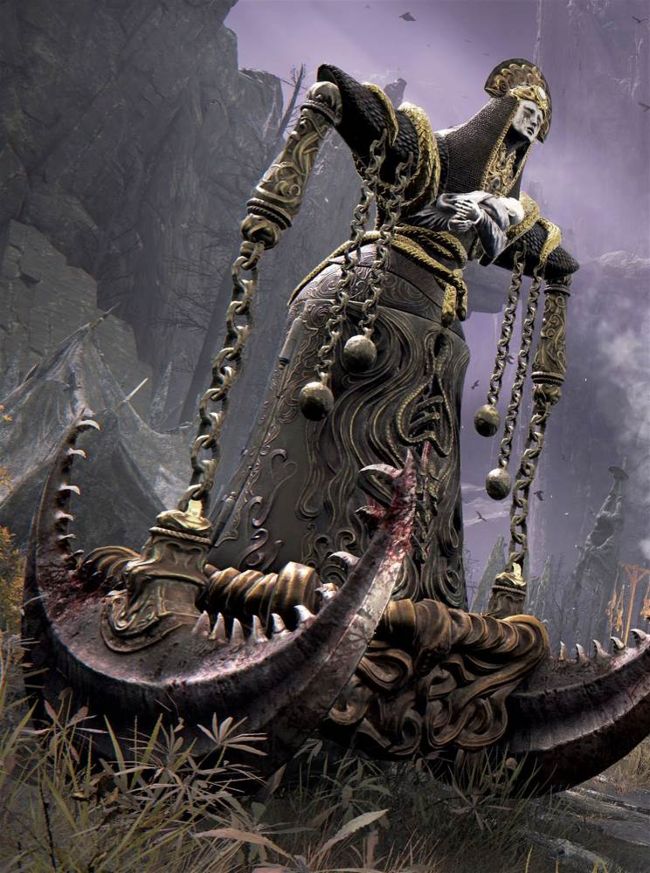
Elden Ring is surprisingly dense with boss-type encounters, although it’s not yet clear if this peculiar foe falls into that category
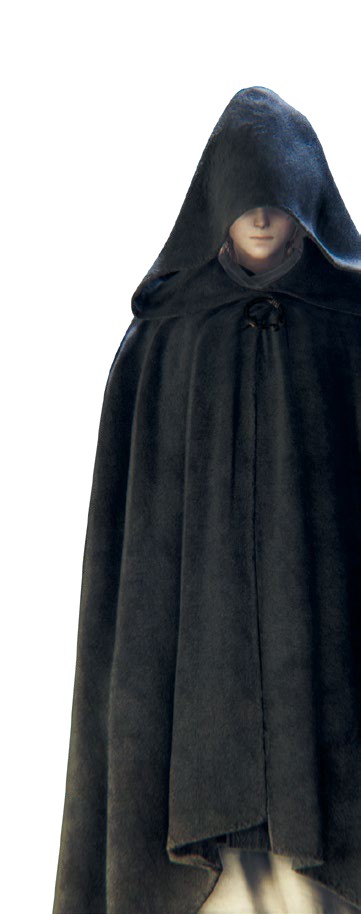
FromSoftware’s latest dark fantasy epic begins with the shattering of the titular Elden Ring. Your task, as a ‘Tarnished’ wanderer in search of grace, is to wrest the pieces from the claws of various monstrous demigods and restore the realm to its former glory. So far, the game itself feels similarly fractured, separated into two glittering halves. On the one hand, this is an open world reminiscent of Breath Of The Wild, The Witcher and Shadow Of The Colossus, a game of uninhibited roaming and looting, with most of the conveniences you’d expect from the genre. On the other, it’s everything we know and fear from Dark Souls, a game that taught you to treat every footstep like it’s your last: imaginative monsters, gorgeous ruins filled with vicious traps, and a meticulous, stamina-based combat system that requires sturdy nerves when, for example, a boss decides to switch things up by conjuring a giant magic hammer.
Said hammer wielder, Margit The Fell Omen, is a classic example of an early-game Souls boss: huge swings that give you plenty of opportunity to circle behind him (be wary of his tail, however), throwing daggers to thwart healing at a distance, and a gruelling second phase with longer combos and unblockable attacks. He and many of Elden Ring’s other major characters were apparently conceived by George RR Martin, but there’s little trace of the author’s feudal soap opera plotting in what we’ve seen so far. We don’t think he’s responsible for reinventing familiar Souls features, either. Bonfires have become Sites Of Grace, where you’ll heal at the price of resurrecting the creatures you’ve slain. Souls for levelling up are now Runes, dropped – as always – when you die.