Subrahmanyan Chandrasekhar
Meet the astrophysicist who redefined the meaning of a ‘star’
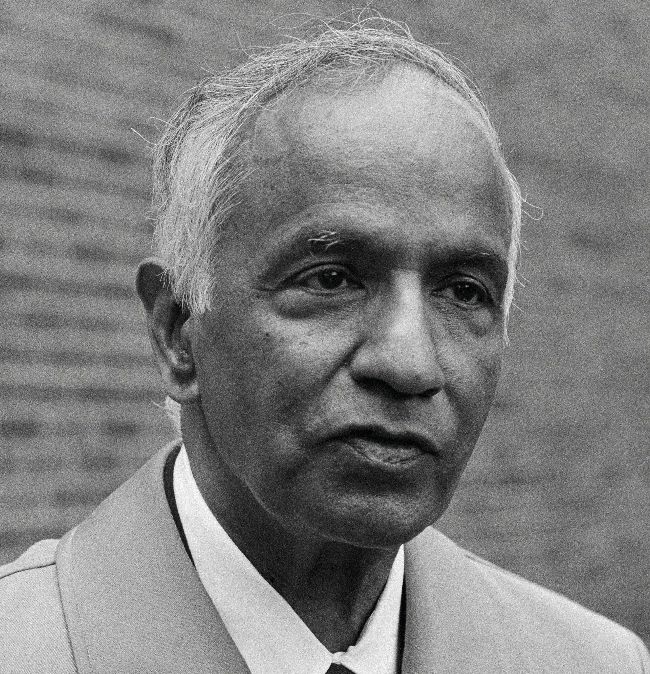
Chandrasekhar debated the last moments of a star’s life and proposed the birth of something new after its demise
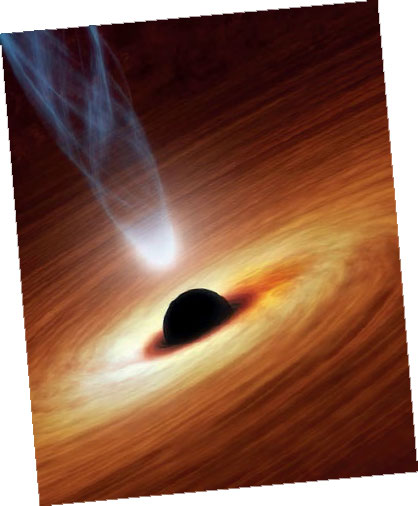
Chandrasekhar’s work on star death paved the way for understanding the creation of black holes
© NASA/JPL-Caltech
A life’s work
A star of astrophysics
Born in 1910 in Lahore in the Punjab province of British India, now Pakistan, Subrahmanyan Chandrasekhar was one of ten children born to father Chandrasekhara Subrahmanya Ayyar, an Indian government auditor, and mother Sita Balakrishnan.
Beginning his education at home, Chandrasekhar went on to attend the Hindu High School in Triplicane before journeying on to Presidency College in Madras, where he completed a bachelor’s degree in physics in 1930. Recognising his aptitude for the subject, a special government scholarship was awarded to Chandrasekhar to travel to England’s prestigious Cambridge University and continue his studies for a further three years to obtain a PhD. Chandrasekhar was set to work with well-known British physicist and astronomer Ralph Howard Fowler.