TECHNOLOGY AR ZONE
INSIDE AN ENERGY-SAVING LIGHT BULB
The light bulb changed how we live, work and play. But with the race on to save the planet, new energy-efficient alternatives have come to the forefront
WORDS MARK SMITH
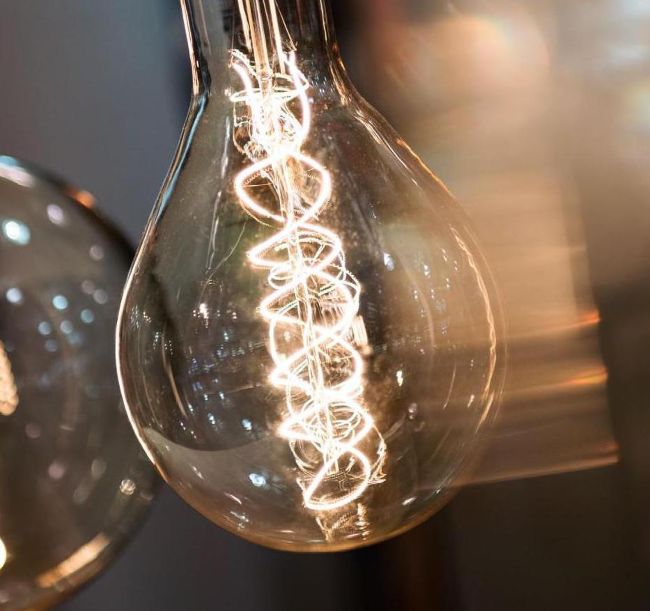
Modern manufacturing techniques allow for all sorts of LED designs
A traditional, or ‘incandescent’ light bulb, as they are properly known, is just a piece of glass with a really thin piece of metal that’s hard to melt inside, usually tungsten. When electricity passes through it, the wire glows, producing the light that fills the room. Think of why a poker turns red when it’s been in a fire and gives off light – that’s pretty much what the inside of the bulb is doing.
One of the problems with them is that much of the energy they use is not actually turned into light, but heat. That’s why you have to wait for them to cool down before changing them. In fact, only five per cent of the energy used is turned into light, which makes them extremely inefficient for what we actually need them to do. Also, the heat irreparably damages the filament to a point where it no longer works. Then the bulb ‘blows’ and has to be replaced. This has huge implications for both waste and cost.