Computing’s shareware revolution
Inspirational stories from computing’s long-distant past
At a time when the software industry was urging people to stop copying floppies, a small group of individuals actively encouraged it, giving birth to a new distribution model, explains David Crookes
LEFT
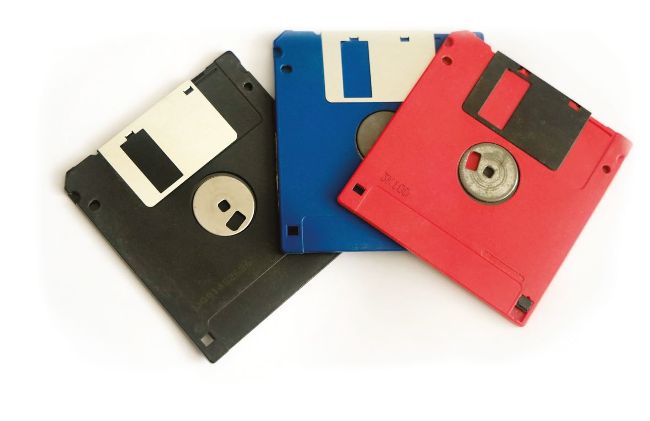
Many early shareware authors would ask users to send a floppy which they’d return with their programs

BELOW
Bob Wallace was one of the many pioneers who pushed the idea of shareware
Images: PublicDomainPictures, Pixabay. Wikimedia Commons, John Aurelius, member of the Northwest Computer Society, public domain
There’s little doubt that shareware revolutionised the way software was distributed in the early days of computing. It steamed in with a blend of innovation and accessibility, offering users a “try before you buy” model that went a long way towards democratising software development.
Suddenly, pioneering independent coders could reach a global audience without needing a big budget or corporate backing. They could create games and serious applications while breaking free from retail shelves, all the while shaping the digital landscape by offering consumers greater choice.
Key to this movement were a small number of individuals who took a great gamble with their work by pleading to the good side of human nature. Chief among them was former attorney, writer and publisher Andrew Fluegelman, who developed and released an excellent communications app called PC-Talk in 1982.
Instead of seeking a traditional publisher, he decided to send his app out for free and allow anyone to use, copy and distribute it. He hoped that users would engage with the software for a while and consider donating $25 if they continued to use and enjoy it. But get this. They didn’t have to. PC-Talk would still work and offer a full feature set. And yet users still sent him money.
In an article published in InfoWorld in August 1982, Fluegelman revealed that, of all of the people he sent copies of PC-Talk to, around two-thirds decided to pay for it. He also reckoned that for every copy he sent out five copies were made by users, and this was something he encouraged because it got his software out there and increased the chance he’d make even more cash.