THE PROG INTERVIWE
PAT METHENY
Every month we get inside the mind of one of the biggest names in music. Pat Metheny is more than just a jazz guitarist: the former teenage prodigy is best known for leading the Pat Metheny Group from the late 70s onwards, and has created an extensive body of work encompassing multiple styles and instruments – from solo pieces through to orchestral works and even ballet soundtracks. In addition to his own projects, he’s also worked with big names including Herbie Hancock and David Bowie, and shows no signs of slowing down. His latest album Dream Box is a collection of previously unheard solo material that paves the way for more ambitious future recordings. Here, he looks back over his prolific career so far.
James McNair
Like Django Reinhardt or Wes Montgomery, Pat Metheny is that relatively rare thing: a jazz guitarist who has become a household name. ‘Jazz’ doesn’t begin to cover his remit, though, since this Lee’s Summit, Missouri-born virtuoso is similarly well-versed in fusion, Latin music, progressive jazz, synthesised music, film scoring and more.
Metheny started out on trumpet, but eventually convinced his parents to gift him a Gibson ES-140 guitar for his 12th birthday after being wowed by The Beatles on US TV. “Up until then the guitar was the only instrument they flatly refused to have in the house,” he tells Prog, “so you can imagine the appeal!” At 15, Metheny won a scholarship to jazz camp with venerable US jazz journal DownBeat sponsoring him, and at 19 he became the youngest-ever teacher at Boston, Massachusetts’ prestigious Berklee College Of Music.
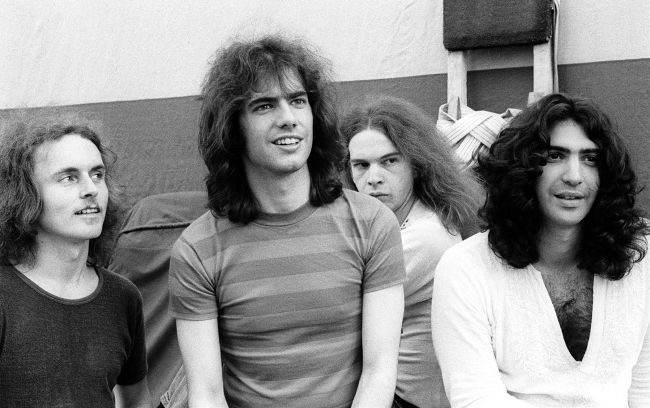
The Pat Metheny Group in 1979. L-R: Mark Egan, Pat Metheny, Lyle Mays, Danny Gottlieb.
ED PERLSTEIN/REDFERNS/GETTY IMAGES
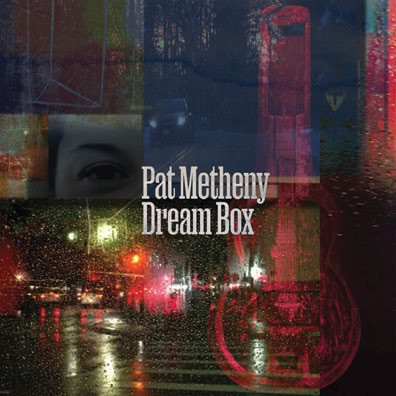
New album Dream Box.
Rarely photographed sans broad smile, Metheny gained fame and acclaim as a jazzer with a rocker’s big hair. He famously deployed a gnarled old toothbrush as a strap lock on his beloved Gibson ES-175, but it was tone, form and composition that obsessed him, not visual aesthetics. On early albums such as Bright Size Life, Watercolors and As Falls Wichita, So Falls Wichita Falls, Metheny established an imaginative, asymmetrical guitar style of melting fluidity. Few players are so instantly recognisable.
In 1977, he founded The Pat Metheny Group, a fresh, forwardlooking ensemble in which he made innovative use of guitar synthesiser. Co-members included keyboardist and co-writer Lyle Mays, and together they explored Latin rhythms on landmark albums such as 1987’s Still Life (Talking), a Grammy Award-grabbing masterpiece whose guests included Brazilian percussionist Armando Marçal. (Minuano (Six Eight) and Last Train Home are wonderful entry points to Metheny’s catalogue.)