History of the 911 S/T
Never distinct models as such, the S/Ts were a series of lightened, highly tuned 911s with several capacities of flat six, built for Group 4 competition between 1970-72. Total 911 explains all…
Written by Kieron Fennelly
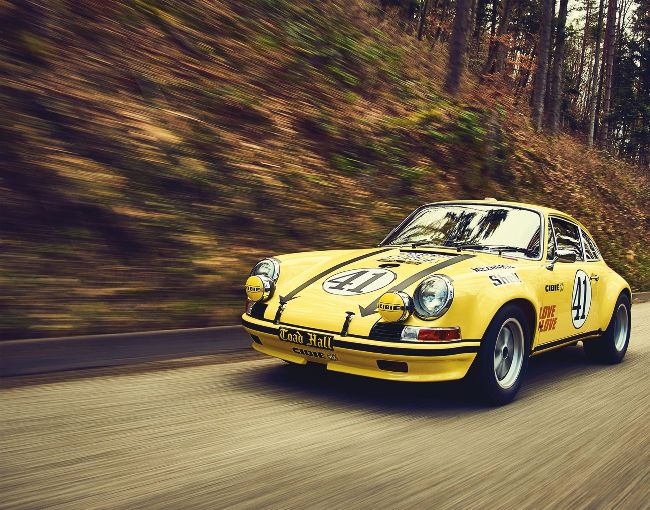
Photography by Porsche Archive
The roots of the original 911 S/T can be traced right the way back to near the start of 911 production. The advent of the ‘B series’ 911 (1968) opened up more possibilities for Porsche’s race engineers: the longer wheelbase and scope to use the wider competition tyres that were available would do much to improve the 911’s circuit handling. But while the production cars had a capacity of 1,991cc, Porsche could not build a bigger racing engine. This in part explains a period of intensive development of the flat six where, over four years, no fewer than four new production capacities would come off the production line.
Since Vic Elford’s legendary inaugural victory at Lydden Hill in 1967, the 911 had enjoyed a very successful rallying career, scoring three Monte Carlo and numerous other wins. But rallying was very expensive – Ferry Porsche is said to have blanched when he saw the tyre bill for the 1970 Monte – and, from a commercial standpoint, circuit racing generated more regular publicity.