Solid–state sound
A new silicon–based audio tech aims to replace old–fashioned headphones
HOW IT WORKS
YOU WILL LEARN How MEMS speaker technology uses silicon chips to create “solid–state speakers” and headphones
KEY FACT
Creative Technology, formerly Creative Labs, knows a thing or two about digital audio. Its Sound Blaster range of upgrade cards brought high–quality digital audio to PCs back in
1989, and dominated PC audio for almost 20 years. All Macs and PCs now have multi–channel sound built in, but the Sound Blaster name continues to live on in a number of Creative’s audio products.

You can mass produce MEMS drivers using silicon wafers — just like modern computer chips.
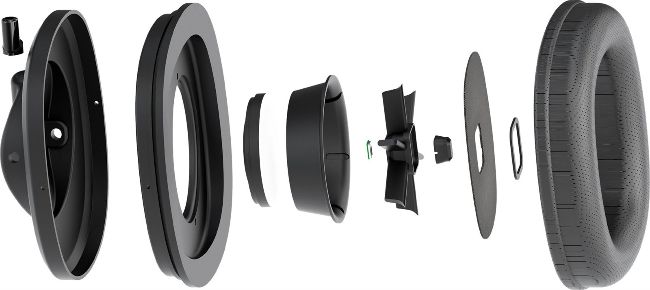
MEMS technology creates drivers for headphones and speakers using silicon, rather than traditional materials.
TECHNOLOGY IN THE computer industry tends to change so quickly that it’s often hard to keep up with all the latest developments. That’s not the case in other industries, though —it took almost a century for electric cars to provide an alternative to the gas–guzzling internal combustion engine.
The somewhat stuffy hi–fi industry also tends to be quite resistant to change, using the same basic technology to produce headphones and speakers for almost 100 years (remember that a set of headphones is essentially a small pair of speakers that simply sit right over, or inside, your ears).