“THIS IS GOING TO DESTROY THEM!”
LOU REED KNEW THAT BERLIN ’S CINEMATIC PORTRAIT OF FUCKED-UP LOVERS MIRED IN DRUGS AND VIOLENCE WOULD CHALLENGE FANS OF HIS CAREERMAKING TRANSFORMER. FIFTY YEARS ON, IT’S TIME TO COUNT ITS TRUE COST, AND MEASURE ITS TRUE GENIUS. “IT WAS A ROCK TRAGEDY,” LEARNS DAVID FRICKE. “BUT IN THE EARLY ’70S, NOBODY GAVE A SHIT ABOUT A ROCK TRAGEDY.”
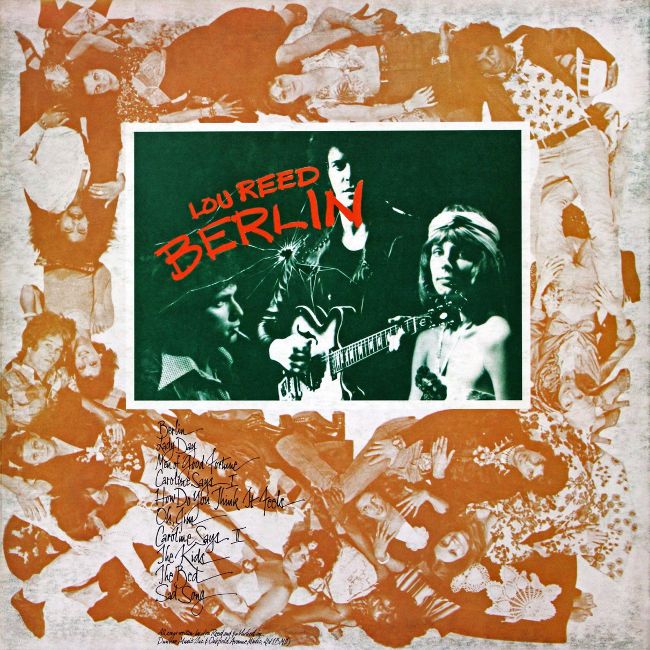
PICTURE BY GUS STEWART.
ON APRIL 9, 1973, CANADIAN record producer Bob Ezrin went to Toronto’s Massey Hall to see Lou Reed in concert. Just turned 24, Ezrin was on a twoyear hot streak of gold albums and smash 45s with the Gothicgarage band Alice Cooper. Reed, 31, was on his own improbable roll. Three years earlier, fr ustrated by a relentless lack of success, Reed walked out on The Velvet Underground – right after a show at Max’s Kansas City – into self-imposed exile at his childhood home on Long Island.
But when Ezrin saw him in Toronto, Reed was in glamrock clover, the overdue breakout star of that spangledboogie year. The poet laureate of Manhattan’s demi-monde, at once frank and empathic, with an acidic monotone that could make Bob Dylan sound like a crooner, Reed was in the American Top 30 with his second solo album, Transformer – co-produced by his most famous fan, David Bowie – and all over AM radio with Walk On The Wild Side, a wickedly affectionate parade of the sexual rascals and emotionally scarred outcasts attached to the pop artist and former Velvets manager Andy Warhol.
Fifty years later, Ezrin confesses that he went to Massey Hall “really to see the opening act”, Genesis, then on their first North American tour. “I was excited about Lou, but fascinated by Peter Gabriel.” (In 1977, Ezrin produced the Genesis singer’s debut as a solo artist.) Reed, in turn, was determined to meet Ezrin after hearing his work on a 1972 cover of the Velvets song Rock & Roll by Detroit, a hard rock band fronted by Michigan white-soul singer Mitch Ryder.
“Lou heard it by accident in the background of a radio commercial for drag racing on Long Island,” says guitarist Steve Hunter, who played the stomping riff on the Detroit record. “Lou did some research and told somebody he wanted Bob and me for his next album.”
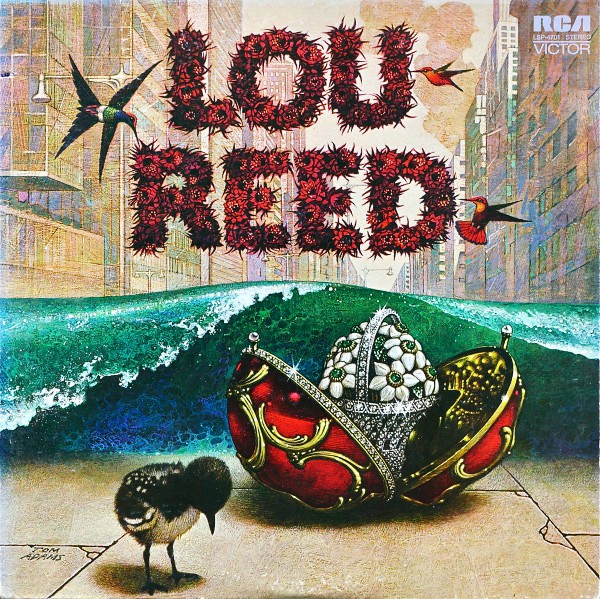
GusStewart
After the concert, Reed and Ezrin adjourned to the producer’s Toronto home. “He was tired but wired,” Ezrin recalls. “We talked about Transformer, how he felt trapped by its success” – especially the implication that Reed was a creature of Bowie’s patronage. “He felt pushed into a role he didn’t want to play.” Instead, Reed wanted to make “the anti-Transformer.”
Reed played some new music that night on acoustic guitar – “disconnected material,” Ezrin says, “some of which was pretty good.” But the producer was more interested in a song from the singer’s first solo effort, 1972’s Lou Reed: Berlin, a sumptuously arranged snapshot of a romantic couple in a café “by the wall… Candlelight and Dubonnet on ice.”